Esophagus & stomach
Moving food, beginning digestion, and the barrier that helps limit the return of stomach contents into the esophagus.
Neuroleva Education
From heartburn to changes in bowel habits: explore symptoms, causes, assessment, and care in a clear learning library that helps you understand your body and ask better questions.
Education before assumption
Not every abdominal pain comes from the stomach, and not every episode of bloating is IBS. These guides distinguish symptoms from diagnosis and explain when routine review or urgent help may be needed.
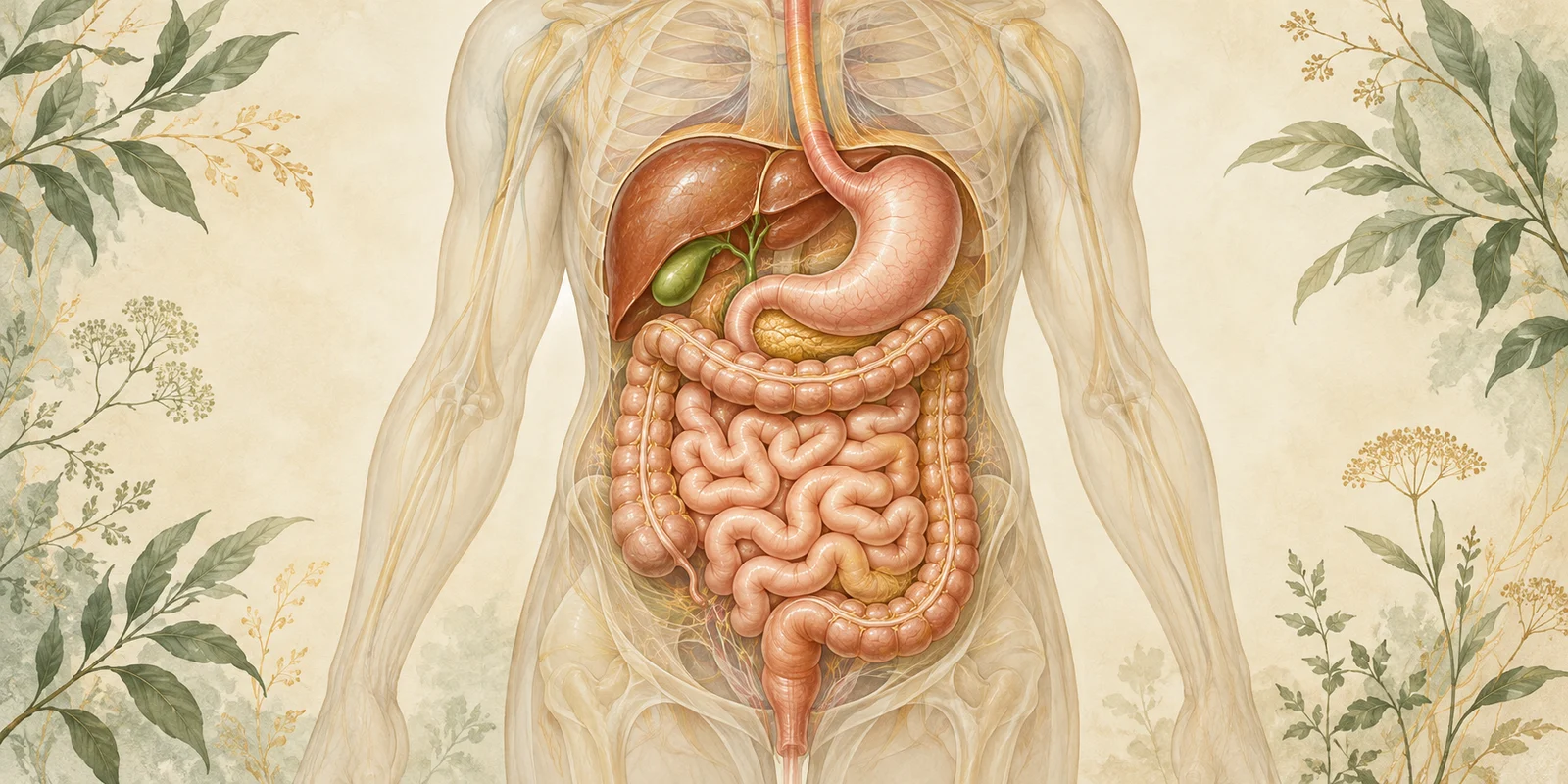
A map of digestion
Moving food, beginning digestion, and the barrier that helps limit the return of stomach contents into the esophagus.
Digesting and absorbing nutrients, balancing fluid and gas, moving contents, and communicating with the brain.
Making and storing bile to help digest fats, then storing and passing stool through the rectum and anus.
The learning library
Ten detailed guides covering the condition, symptoms, causes, diagnosis, treatment, daily habits, and prevention where applicable.
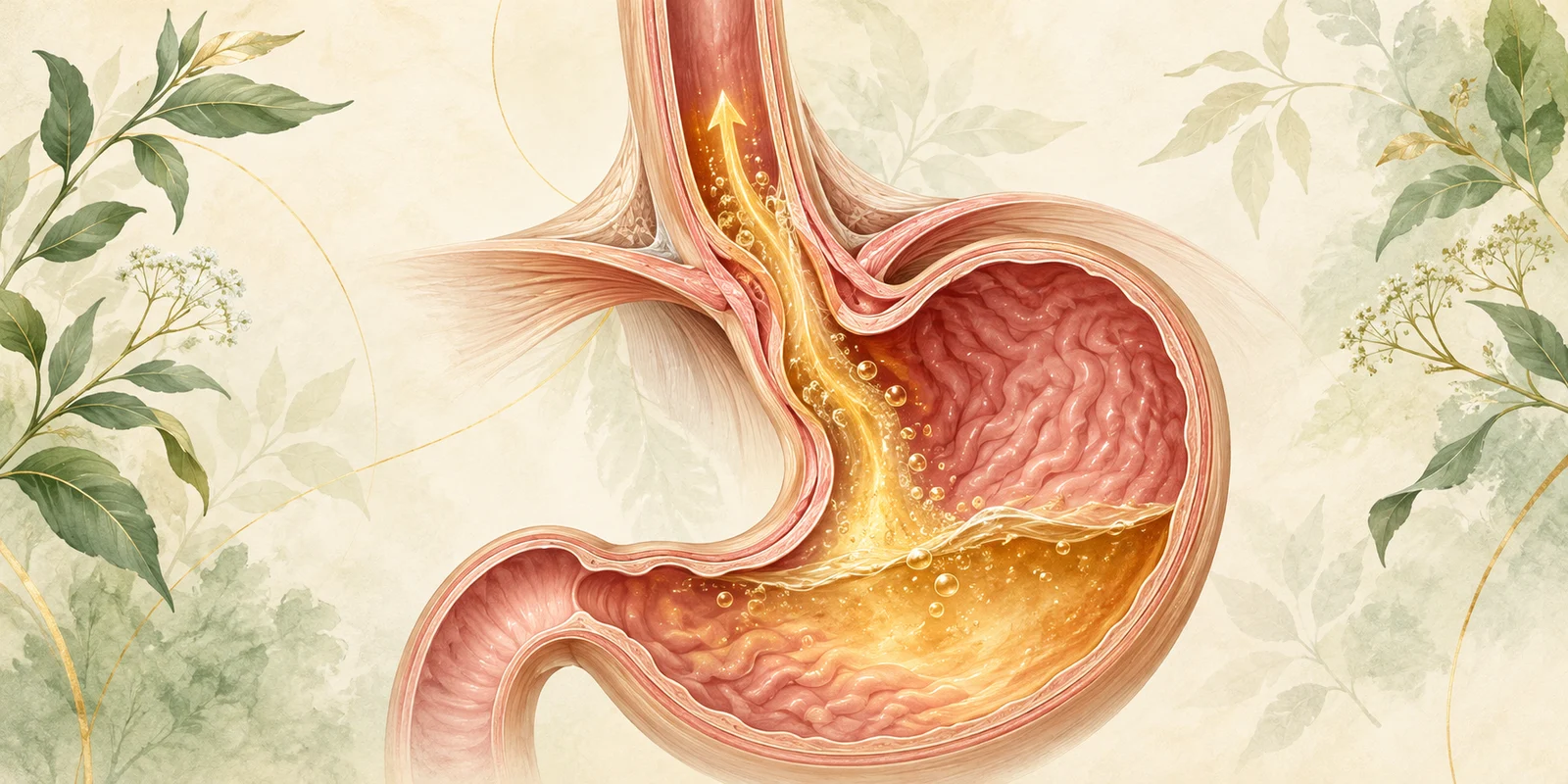
Heartburn is a symptom, while reflux describes stomach contents moving back into the esophagus. Learn how occasional reflux differs from GERD, what may help, and when symptoms need assessment.
Read the guide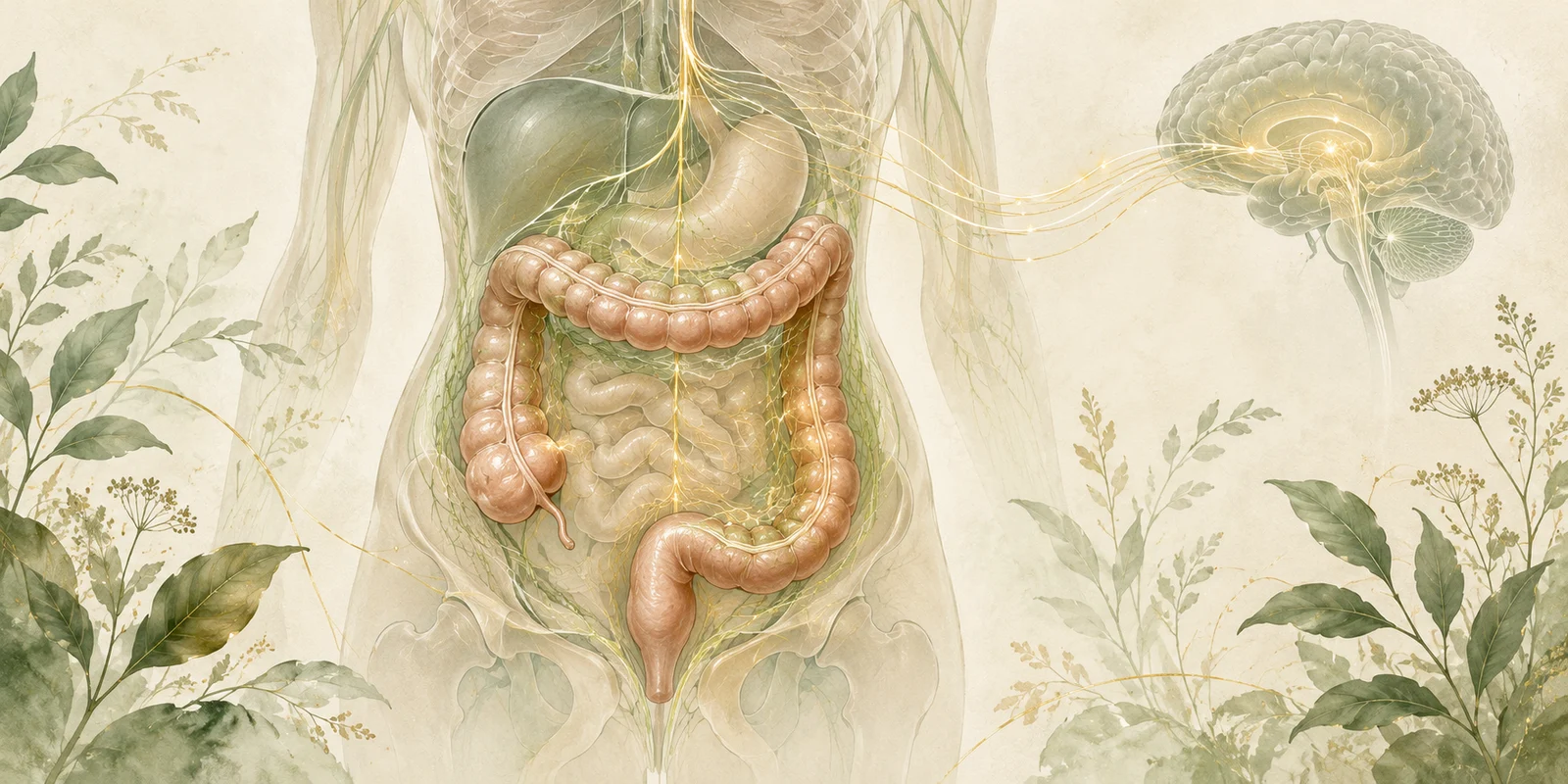
IBS involves recurring abdominal pain and changes in bowel habits. Understanding gut–brain communication, symptom patterns, and individual care can make this often disruptive condition easier to discuss and manage.
Read the guide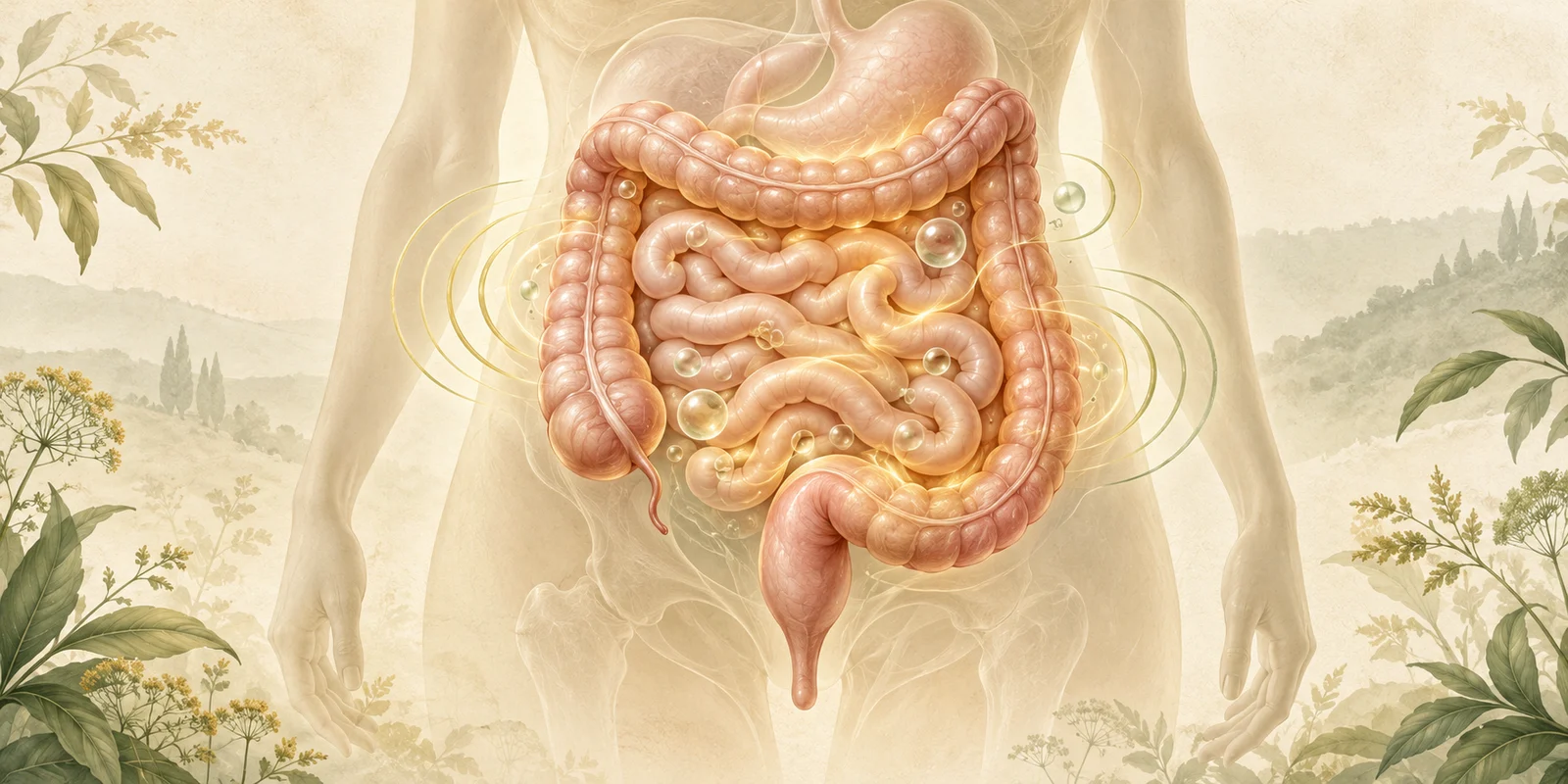
Gas is part of normal digestion, but frequent pressure, fullness, or visible swelling can be disruptive. The useful question is what changed, what accompanies it, and whether an underlying condition needs attention.
Read the guide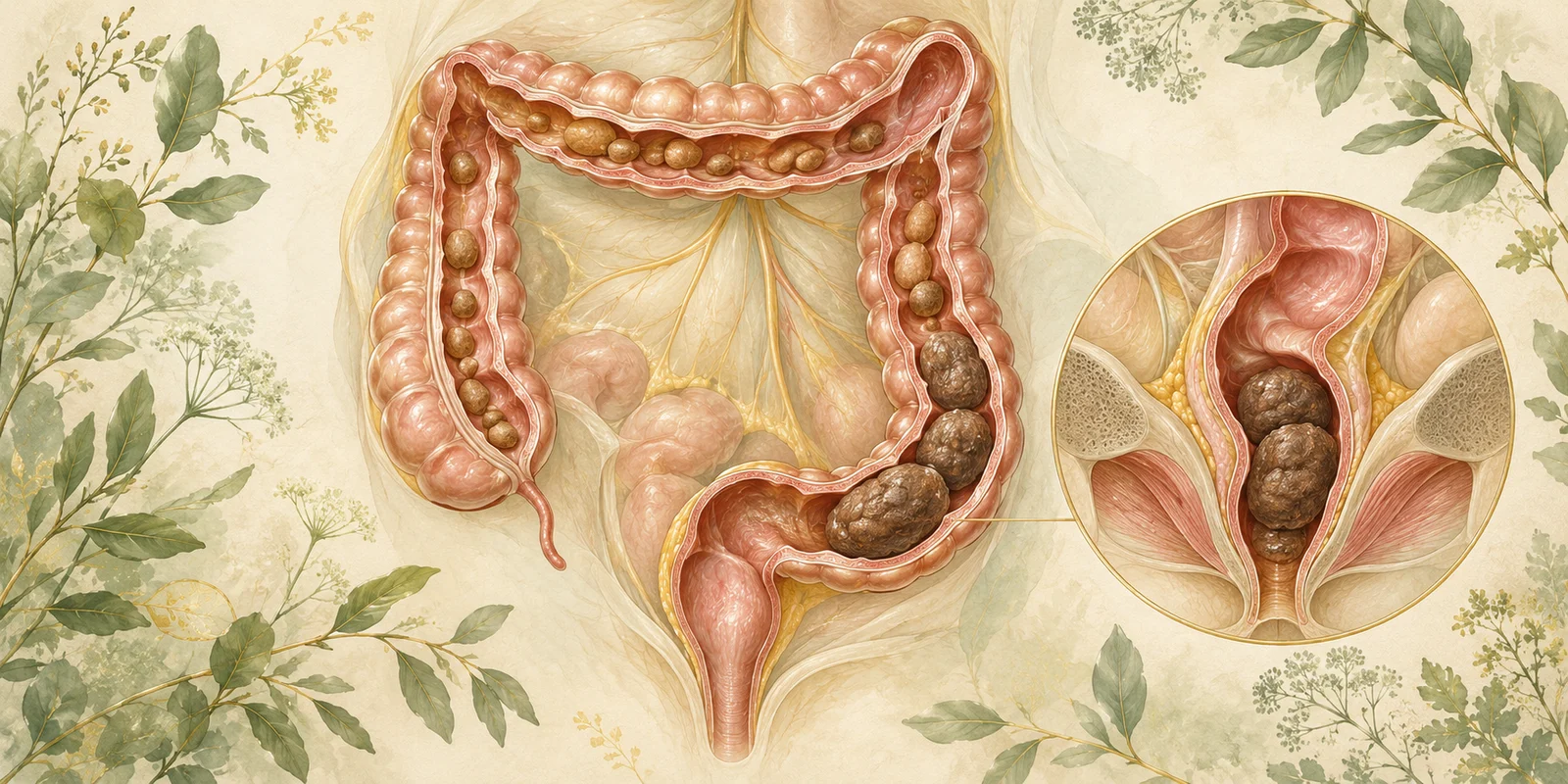
Hard stool, straining, and incomplete emptying can matter as much as frequency. Learn why constipation develops, how it is assessed, and which daily habits and treatments may help.
Read the guide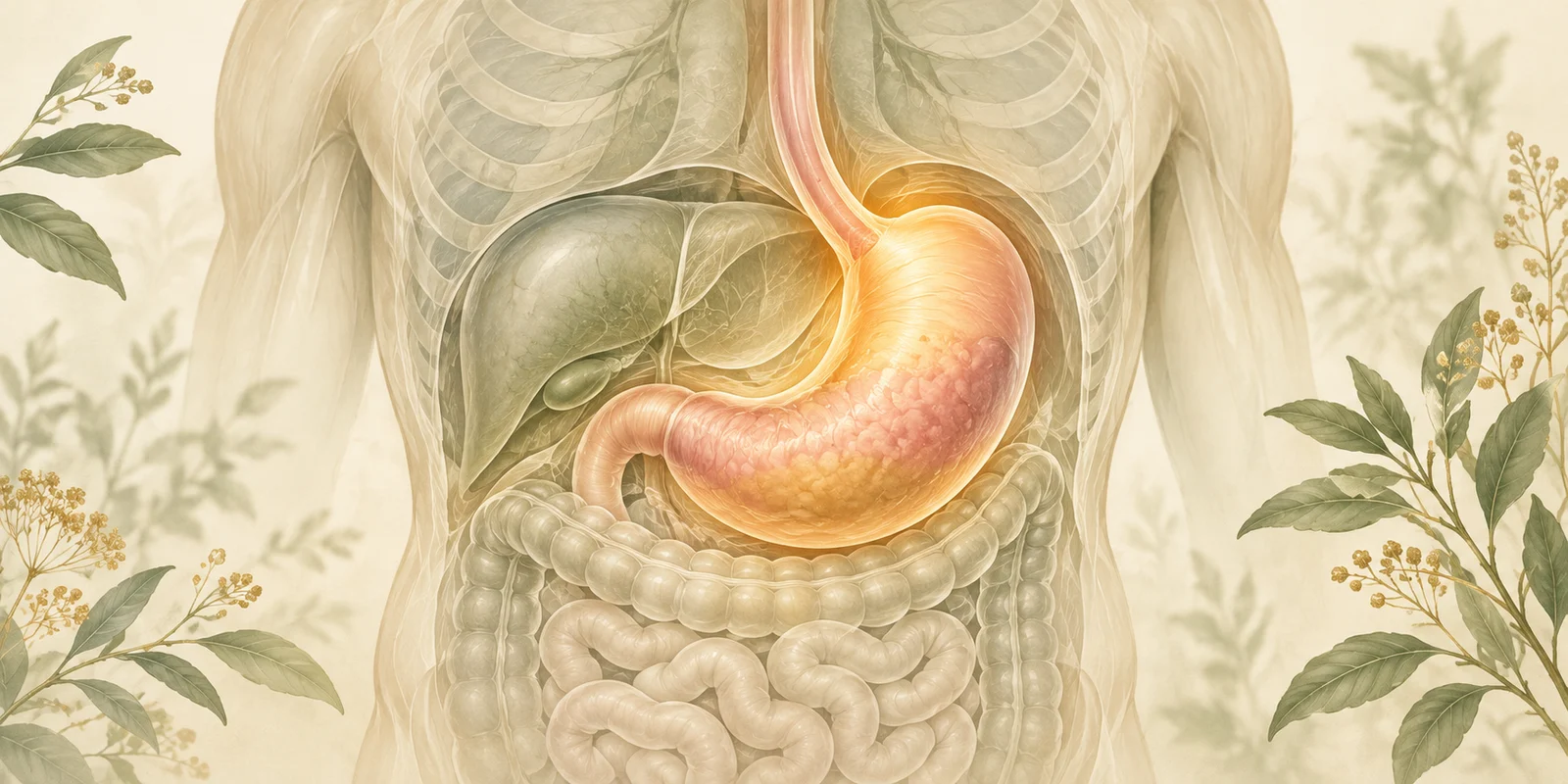
Indigestion, or dyspepsia, describes a group of symptoms rather than one single disease. Understanding where discomfort occurs and how it relates to meals helps guide assessment and care.
Read the guide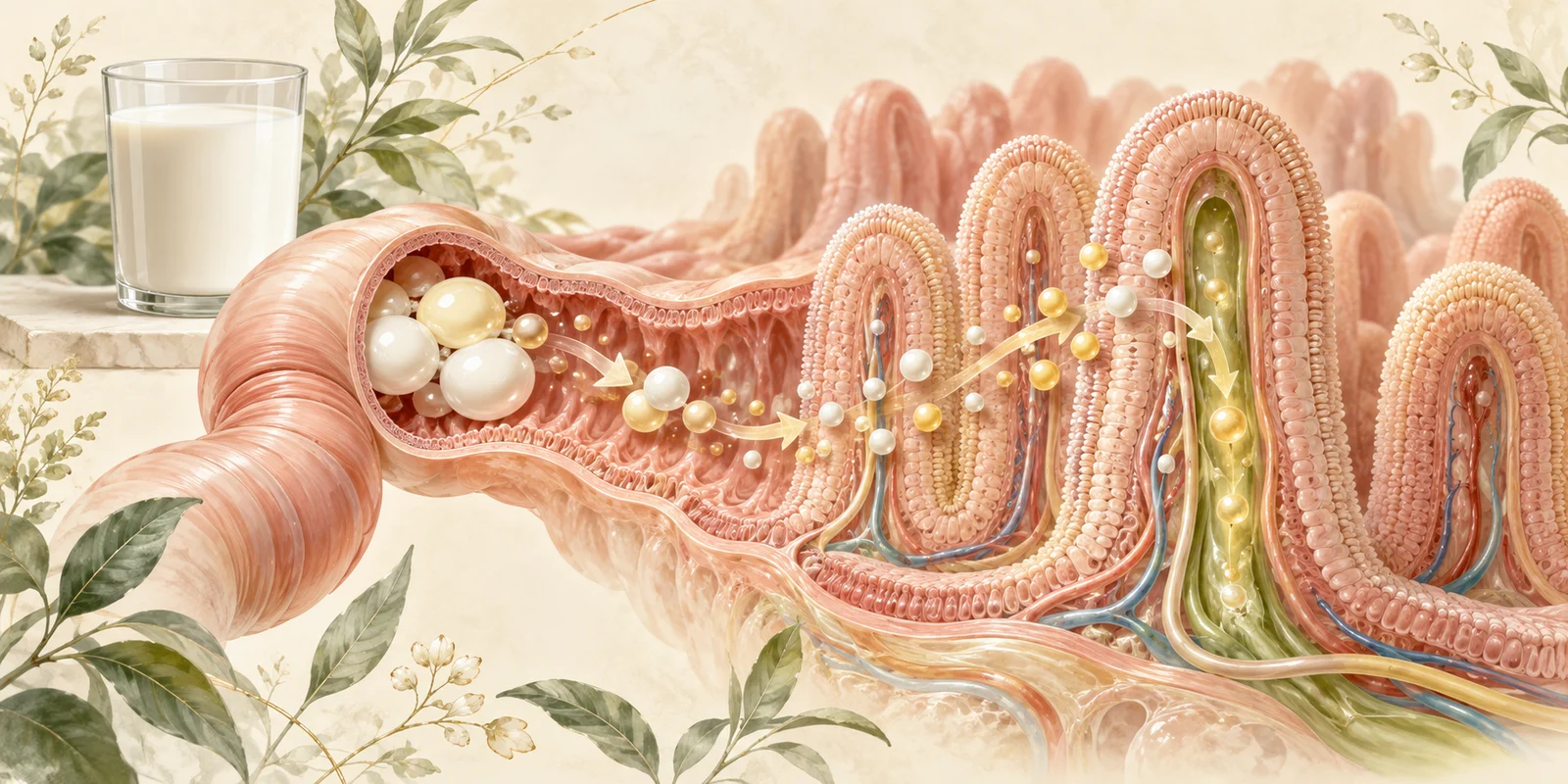
Difficulty digesting milk sugar can cause gas, cramps, and diarrhea. Learn how lactose intolerance differs from milk allergy and how to manage symptoms without losing important nutrients.
Read the guide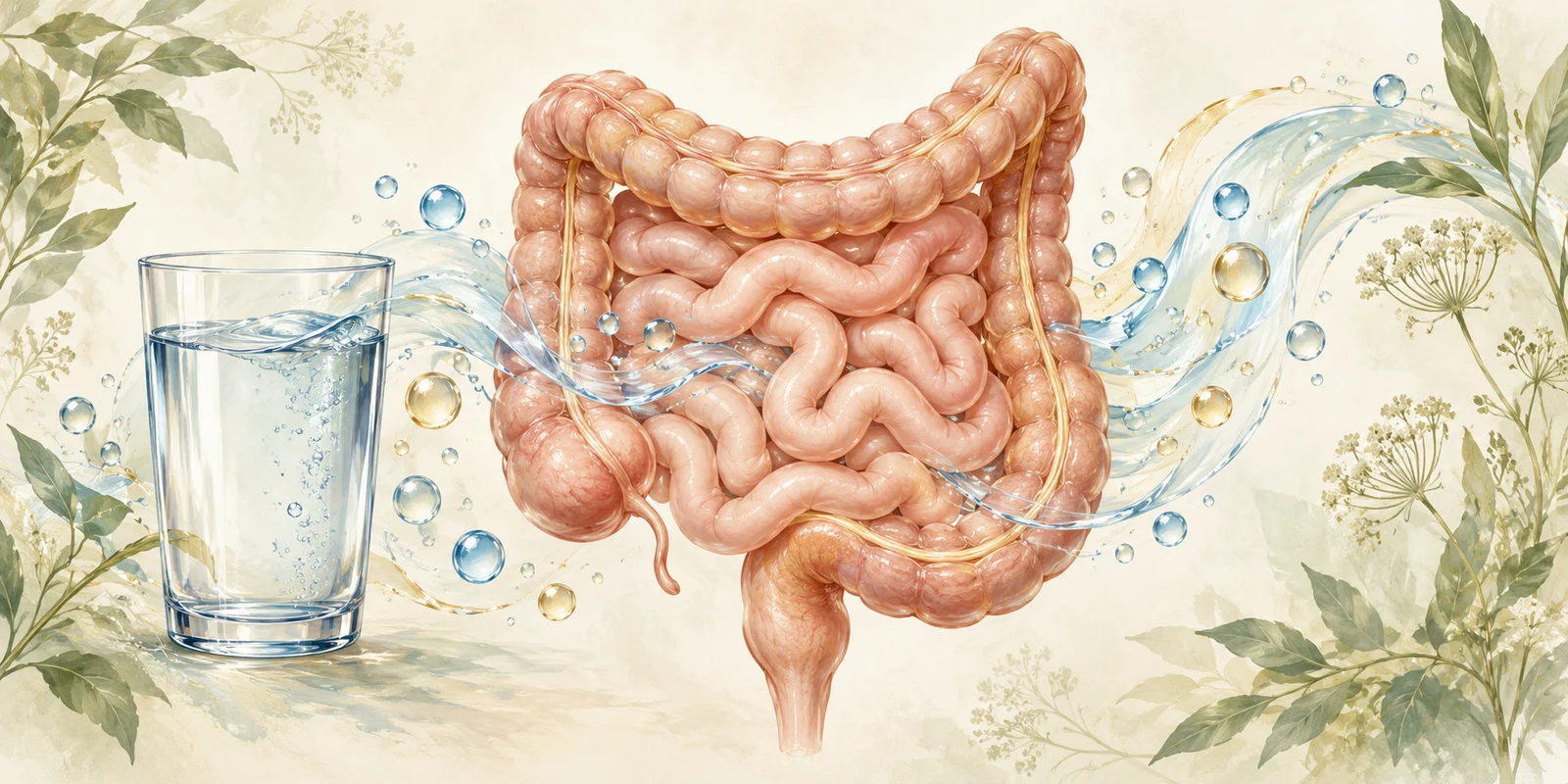
Loose watery stool can be brief or persistent. Replacing fluid losses, recognising warning signs, and identifying the cause matter more than simply stopping bathroom visits.
Read the guide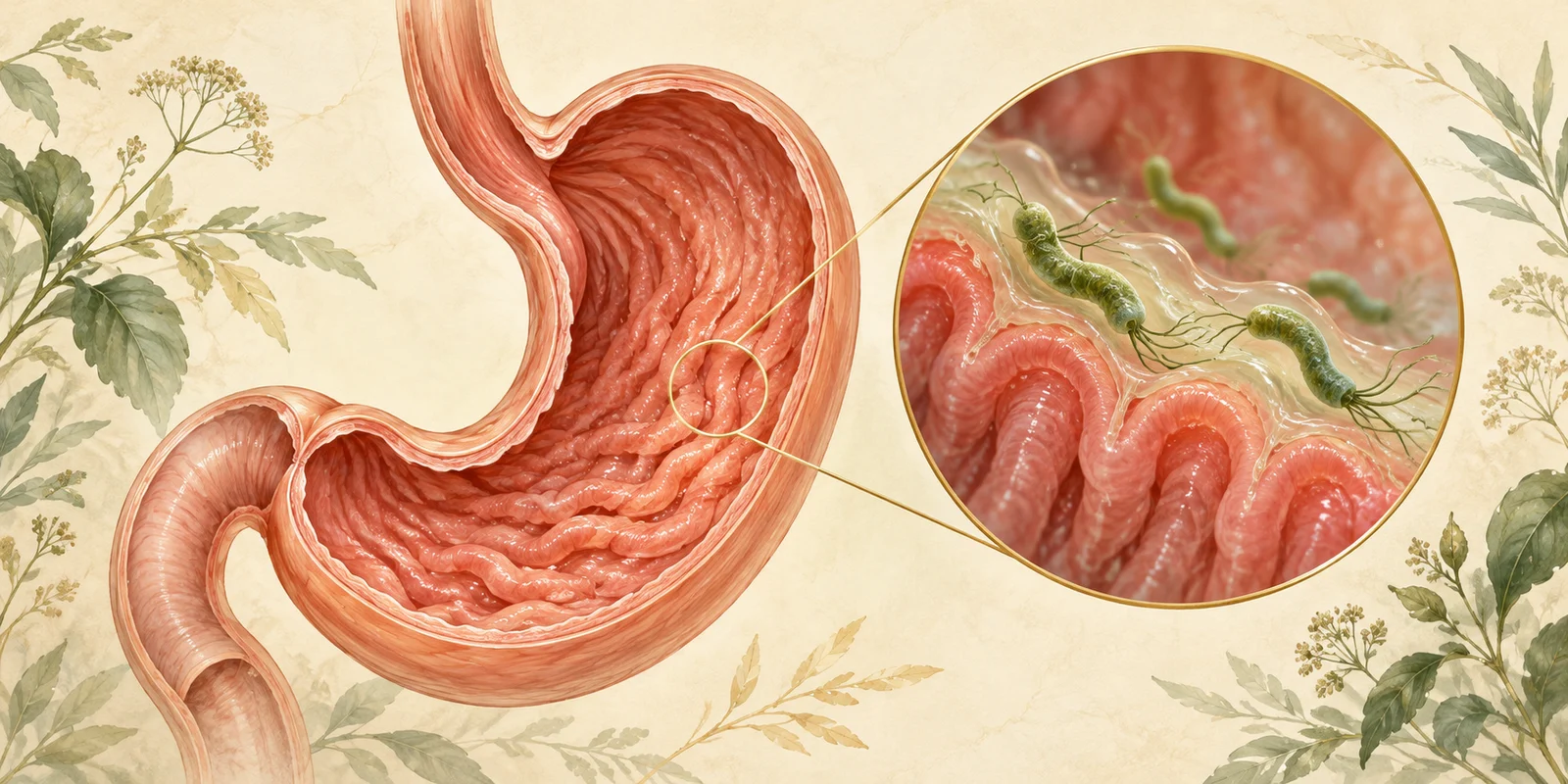
H. pylori is a bacterium that can live in the stomach without obvious symptoms. In some people it contributes to inflammation and ulcers, so diagnosis and confirmation after treatment matter.
Read the guide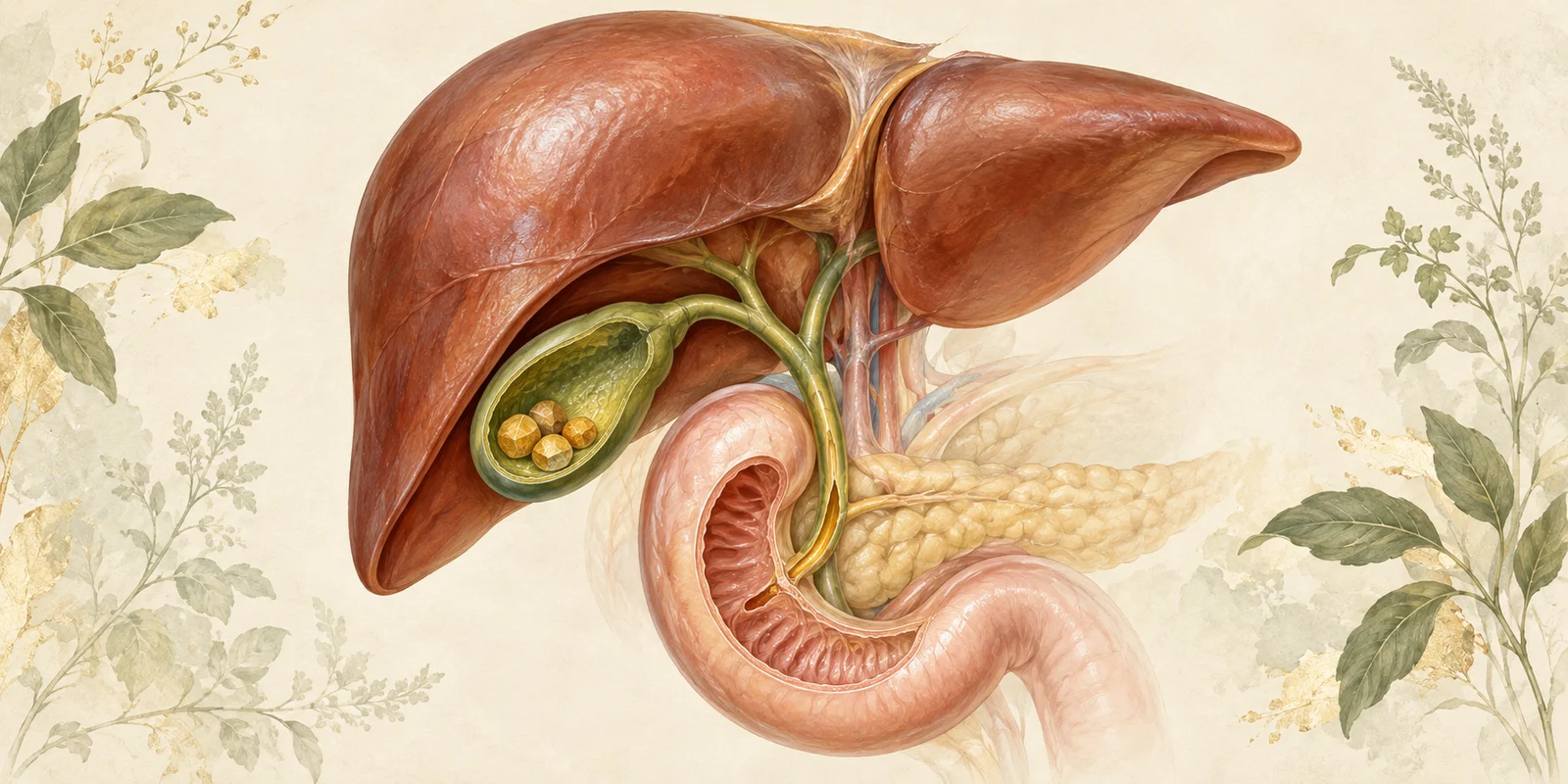
Gallstones may cause no symptoms, or they may obstruct bile flow and cause significant pain. Learn why the difference matters for assessment, treatment, and urgent warning signs.
Read the guide
Hemorrhoids can cause itching, discomfort, or bleeding. Understanding the symptoms helps, but rectal bleeding should not be assumed to come from hemorrhoids without appropriate assessment.
Read the guideAuthoritative sources
Every guide links to its medical sources. This is general education and does not establish Neuroleva as a treatment for these conditions.
For health practitioners, retailers & institutions
Learn more about wholesale opportunities, distribution and institutional partnerships.