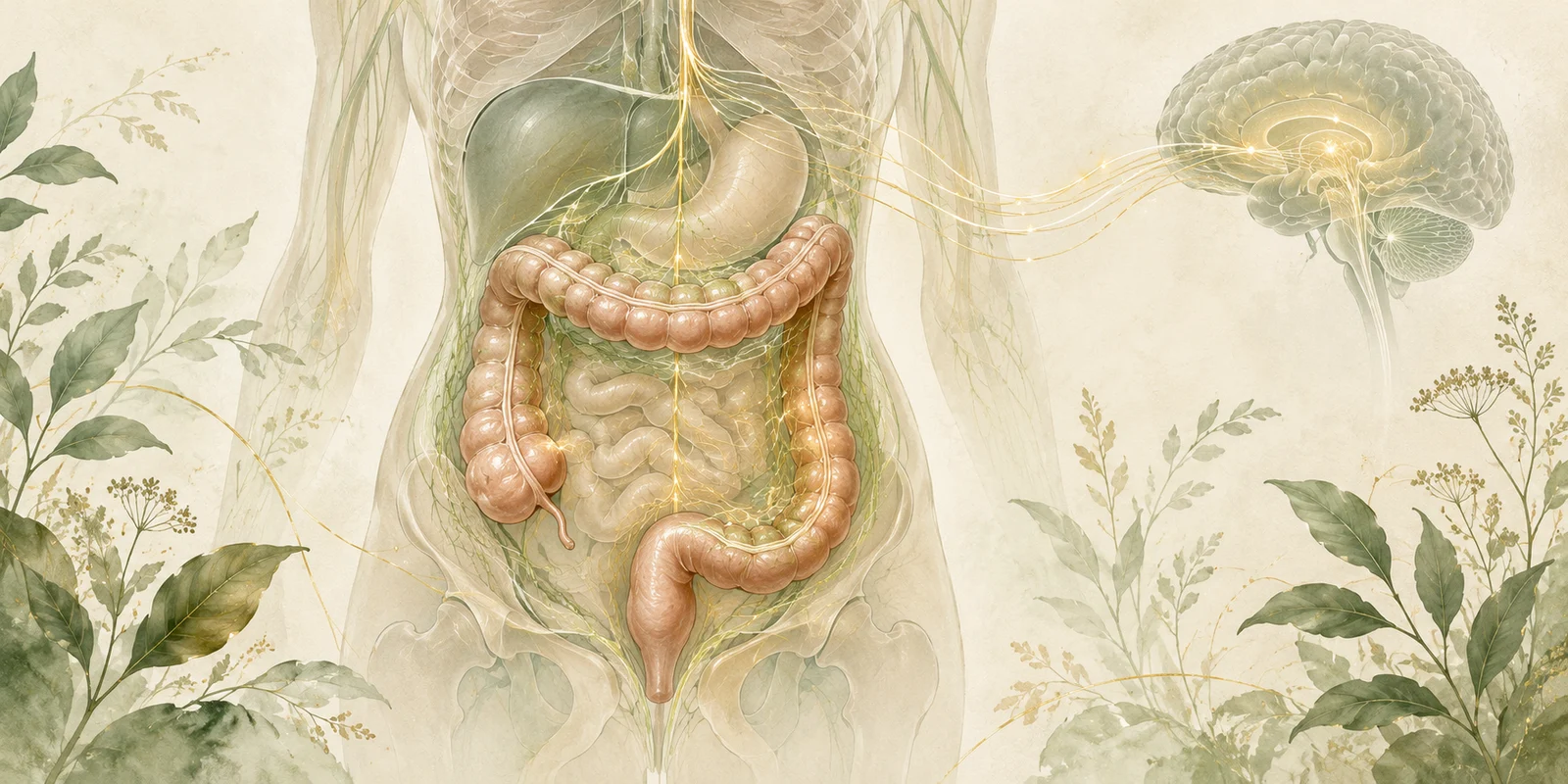
Gas, bloating, and distension are different
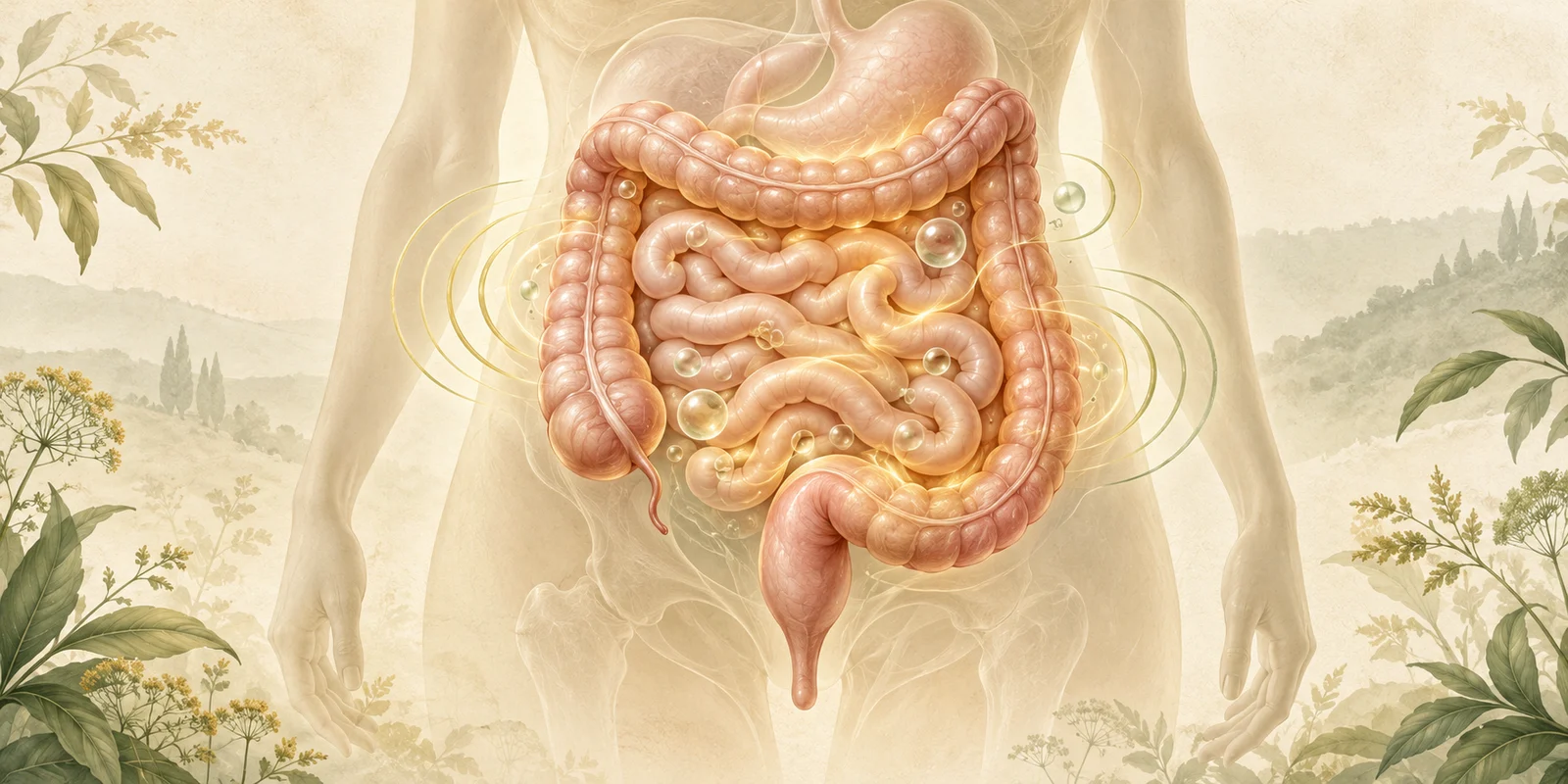
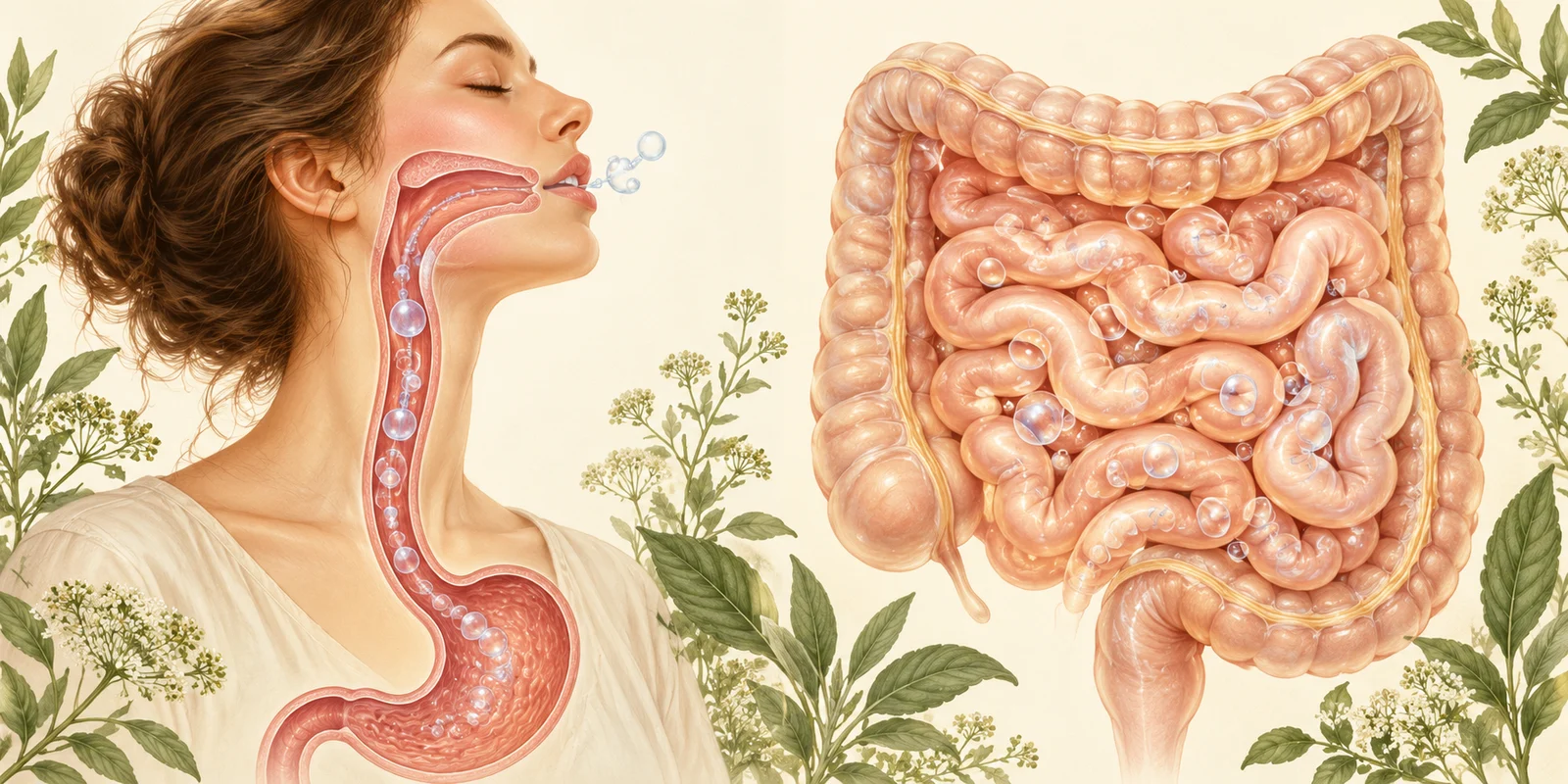
Gas enters the digestive tract when air is swallowed and when intestinal bacteria break down carbohydrates that were not fully digested earlier. Belching and passing gas are ordinary ways of releasing it.
Bloating is the sensation of pressure, fullness, or swelling. Distension means that the abdomen actually becomes larger. These may occur together, but a strong bloated feeling does not always mean there is an unusually large amount of gas.
Common symptoms and useful observations
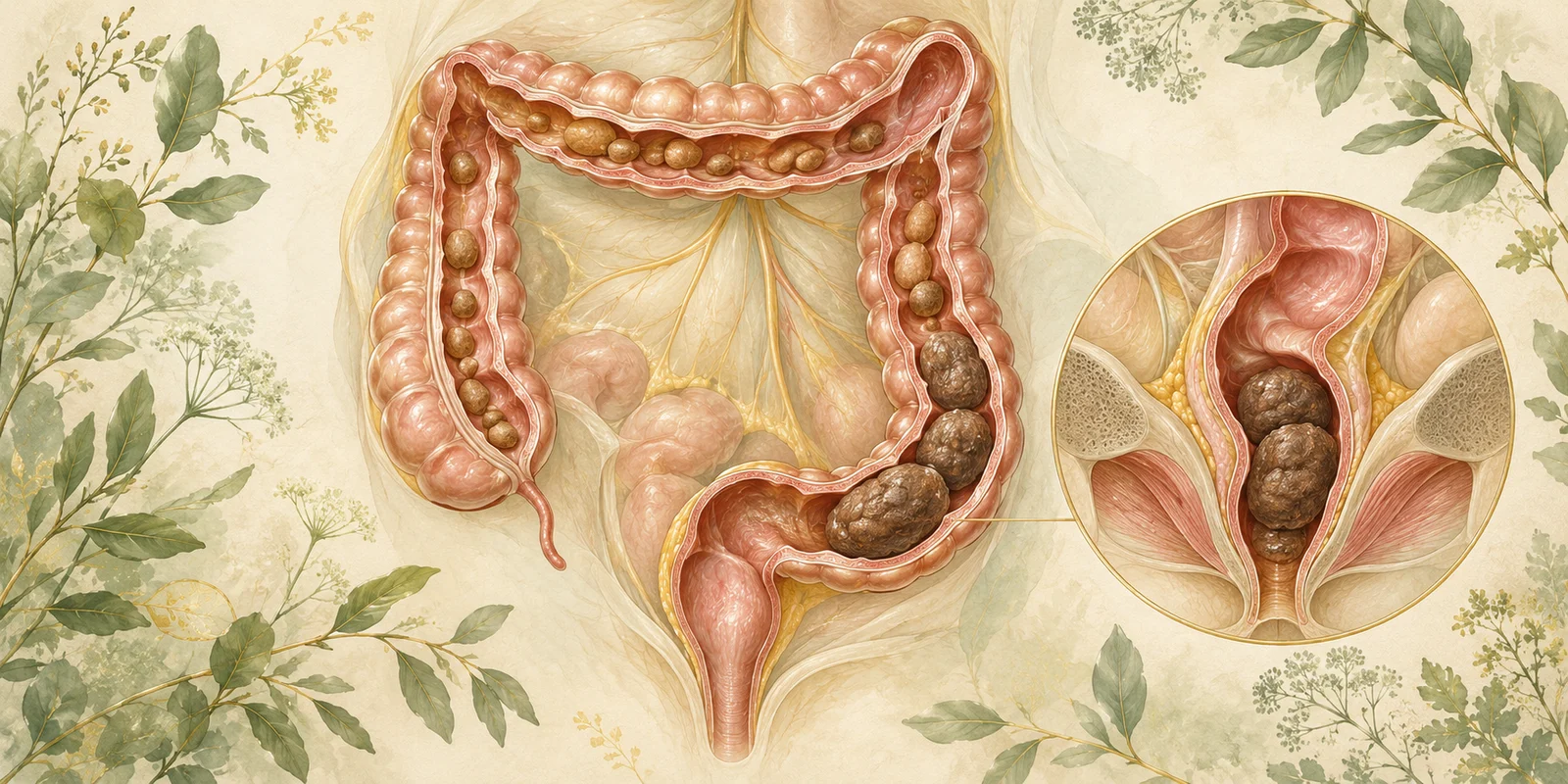
People may notice belching, passing gas, rumbling, abdominal discomfort, or a tighter waistband. The pattern may change over the day and after different meals. Constipation can make the sensation worse when contents move slowly.
A short record can be more helpful than guessing: note meal size, eating speed, fizzy drinks, stool pattern, and whether discomfort improves after a bowel movement. Also note whether swelling is new, persistent, painful, or accompanied by weight loss.
Possible causes and overlapping conditions
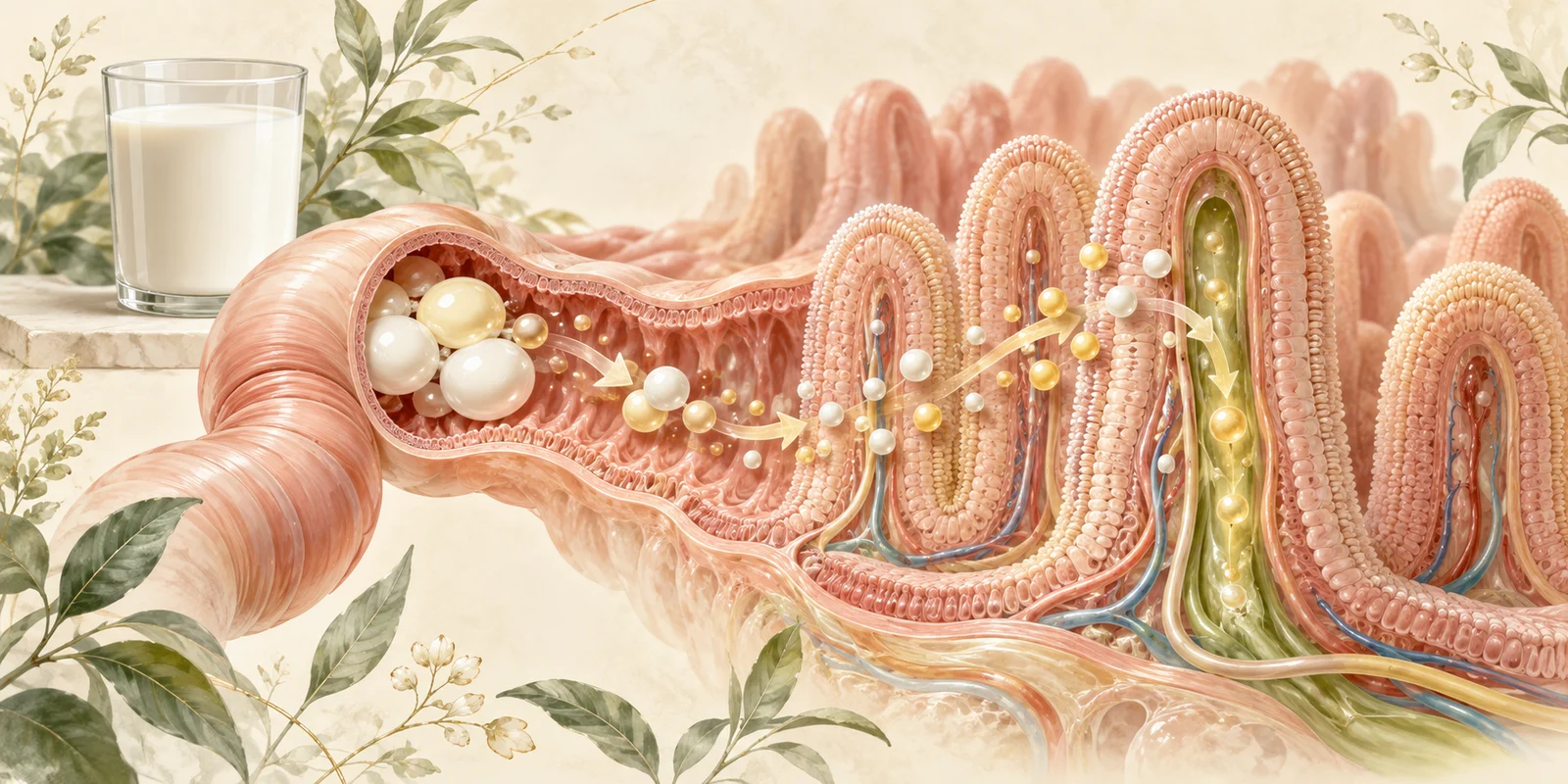
Eating quickly, chewing gum, and carbonated drinks can increase swallowed air. Certain carbohydrates are fermented in the colon, and some sweeteners can contribute to gas in susceptible people. A sudden increase in fiber can temporarily worsen symptoms.
Lactose intolerance, IBS, constipation, and other digestive conditions may contribute. Less commonly, another disorder needs investigation. Bloating alone does not diagnose food allergy, bacterial overgrowth, or a need for a gut cleanse.
How the cause is assessed
A clinician asks about the onset, food pattern, bowel habits, medicines, and other symptoms, then examines the abdomen. Testing is selected according to the history rather than ordered automatically for everyone.
For example, a breath test may be considered for certain carbohydrate digestion problems, while blood, stool, or other investigations may be chosen if another condition is suspected. Describe persistent symptoms even if there is no visible swelling.
Management depends on the cause
Reducing swallowed air, treating constipation, and identifying a reproducible dietary trigger can help. Lactase products may be relevant for confirmed lactose intolerance; other medicines are selected for the underlying condition rather than for every episode of gas.
A clinician or dietitian can help if symptoms persist or dietary changes become complicated. Supplements and probiotics are not interchangeable, and benefit is not guaranteed. Repeatedly adding products can obscure whether any individual change is helping.
Everyday steps without unnecessary restriction
Try slower meals and smaller amounts of foods that repeatedly provoke symptoms. If increasing fiber, do so gradually. Regular movement and addressing difficult bowel movements may also make daily discomfort easier to manage.
Aim to preserve a varied, adequate diet. A structured trial with one change at a time is more informative than removing dairy, wheat, fruit, and legumes together. Prevention is not always possible, and persistent or progressively worsening bloating deserves review.
Common questions
Does bloating always mean I ate too much?
No. Intestinal sensitivity, movement, constipation, and the digestion of particular carbohydrates can matter even after a small meal. Meal size is only one part of the history.
Should everyone avoid beans and vegetables?
No. These foods can be valuable sources of fiber and nutrients. Portion size, gradual adaptation, and individual tolerance are more useful than a blanket ban, especially when a dietitian can guide persistent symptoms.
Medical education sources
Sources accessed 28 October 2026. Illustrations are simplified educational concepts, not diagnostic images.