What happens during reflux?
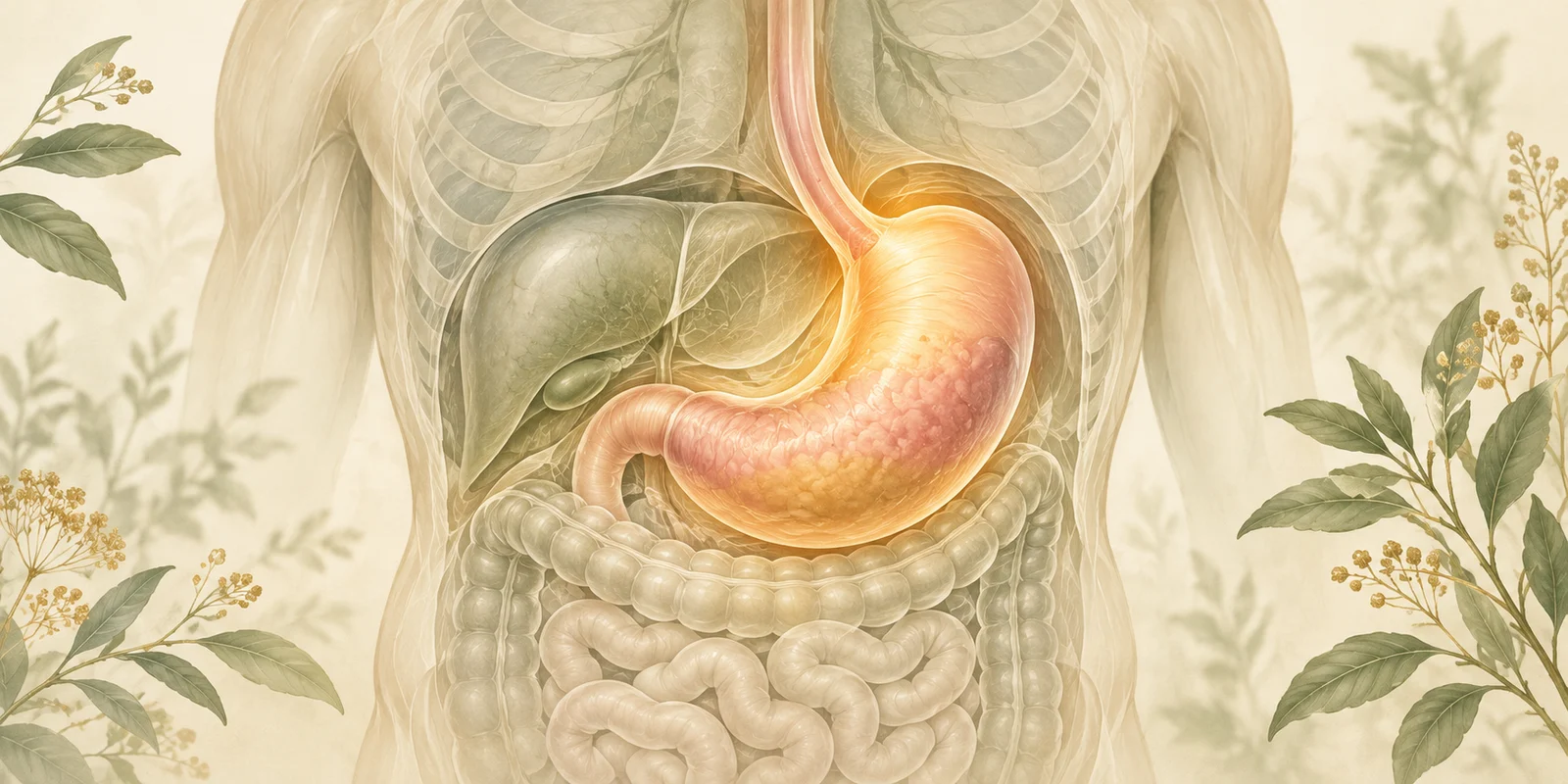
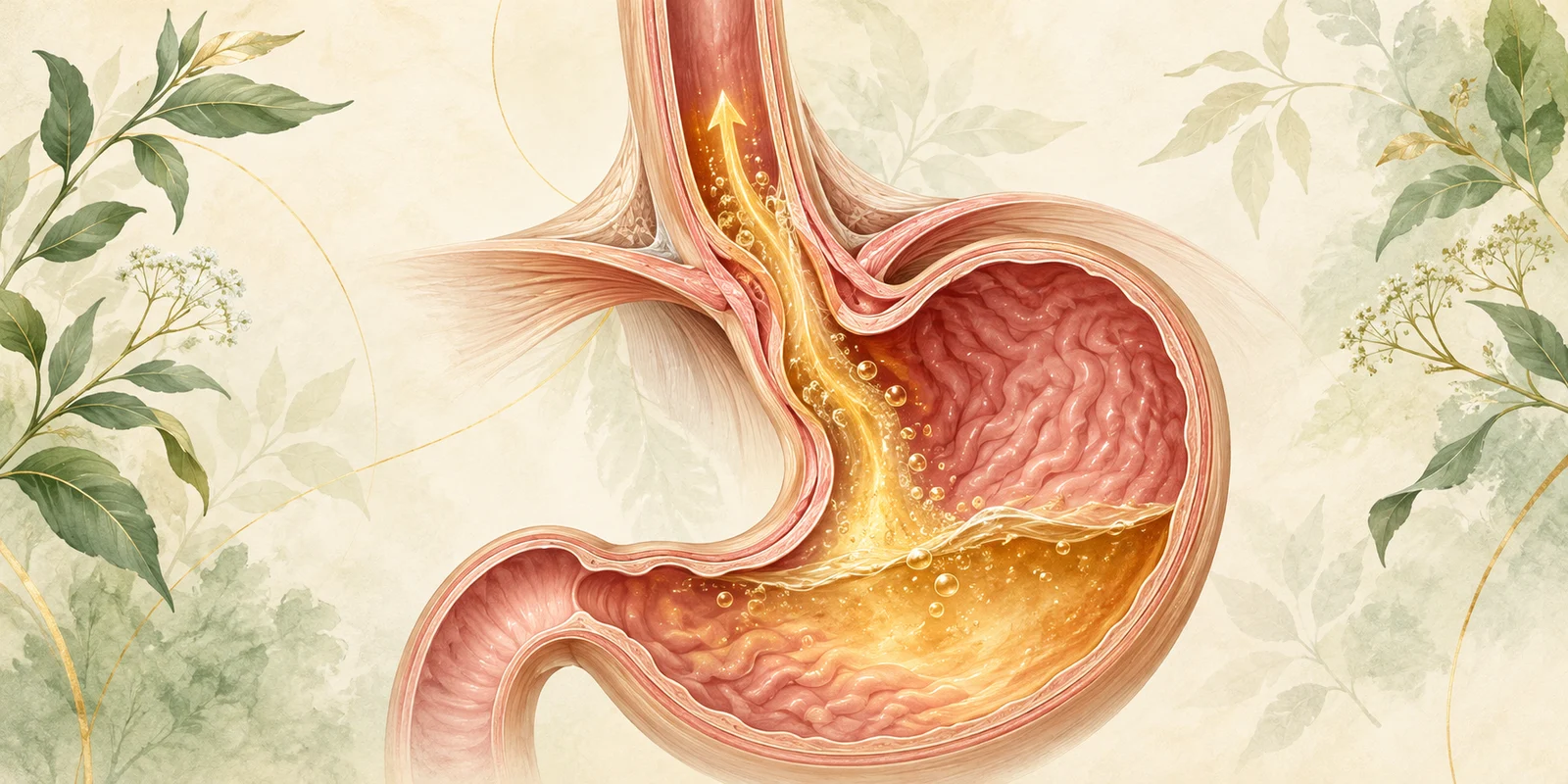
The esophagus carries swallowed food to the stomach. A ring of muscle at its lower end, together with the diaphragm, helps keep stomach contents in place. When that barrier relaxes at the wrong time or is weakened, contents can move upward and irritate the esophageal lining.
An occasional episode can happen without a lasting disorder. Gastroesophageal reflux disease, or GERD, involves repeated troublesome reflux or complications. The impact on sleep, meals, and daily life matters alongside how often symptoms occur.
Symptoms and patterns to notice
Typical symptoms include a burning sensation behind the breastbone and regurgitation, which may bring a sour taste or food into the throat. Symptoms can be more noticeable after meals, while bending over, or when lying down.
Some people report chronic cough, hoarseness, nausea, or swallowing problems. These can have other causes; they do not establish reflux by themselves. Note when symptoms occur, whether they interrupt sleep, and whether food seems to stick.
Causes, risk factors, and individual triggers
A hiatal hernia, pregnancy, excess body weight, smoking, and some medicines can contribute to reflux. A medication review can be useful, but prescribed treatment should not be stopped without professional advice.
Foods and drinks may trigger symptoms without being the underlying cause. There is no single food list that everyone must avoid. Large late meals, alcohol, and foods that repeatedly provoke your symptoms are useful topics to discuss.
How clinicians assess it
Assessment often starts with the symptom history and a review of medicines and warning signs. Typical symptoms without alarm features may be managed initially without extensive testing.
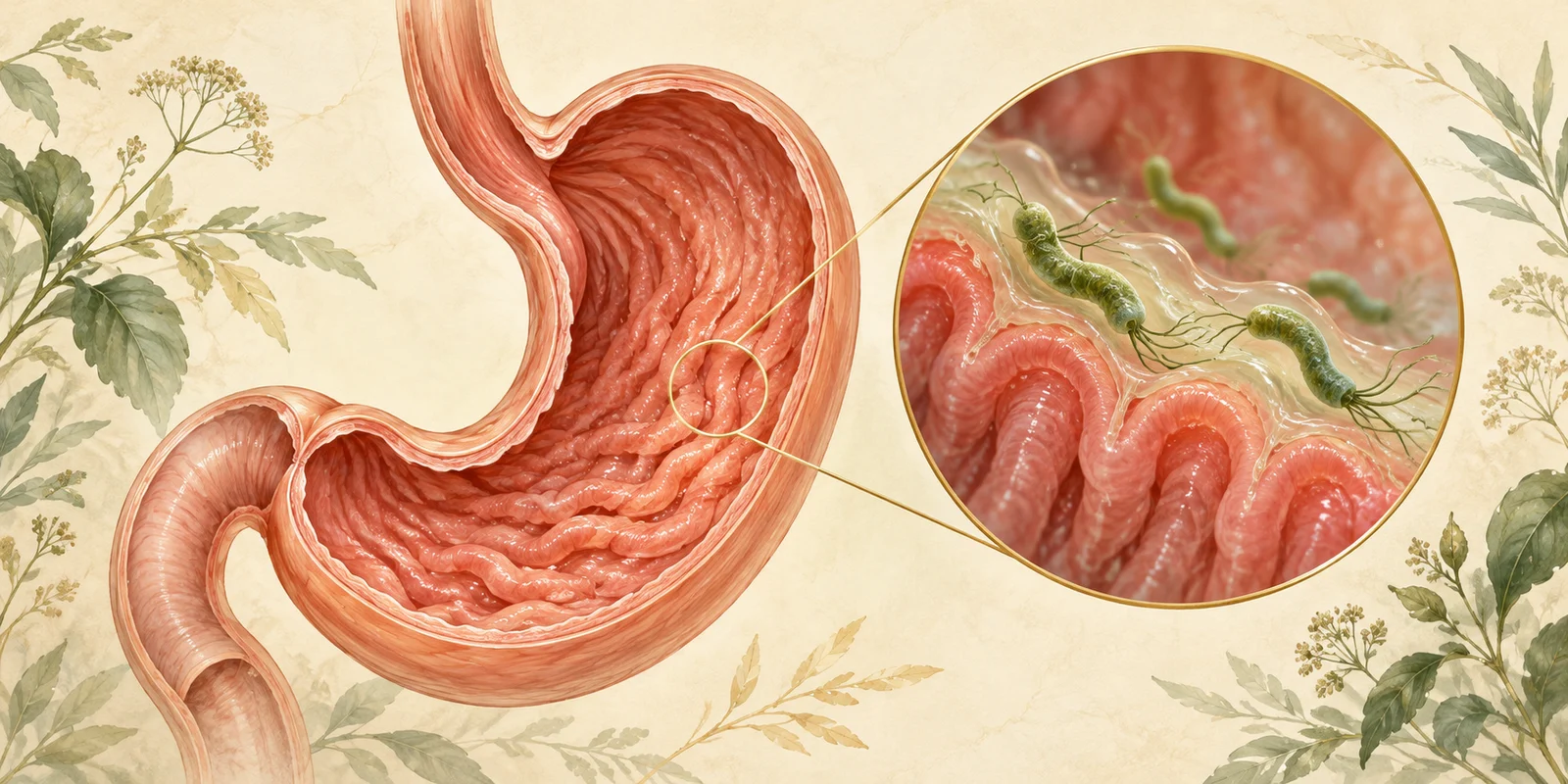
Endoscopy can examine the lining when there is difficulty swallowing, bleeding, persistent symptoms, or concern about complications. Reflux monitoring measures acid exposure or reflux episodes when the diagnosis remains uncertain. Not everyone needs these tests.
Treatment and longer-term care
Care may combine habit changes with medicines. Antacids can relieve mild occasional symptoms; H2 blockers and proton pump inhibitors reduce acid production. The appropriate medicine and duration depend on symptom severity and clinical findings.
Persistent symptoms despite treatment deserve reassessment rather than repeatedly adding remedies. A clinician can review how medicines are used and whether another condition explains the discomfort. Procedures or surgery are reserved for selected situations after evaluation.
Daily habits and reducing recurrence
Eating earlier and avoiding lying down soon after meals can help when symptoms are related to timing. For night symptoms, a clinician may suggest raising the upper body during sleep. Weight management, when appropriate, and stopping smoking may also reduce symptoms.
Keep changes practical: track a suspected trigger, adjust one habit, and review whether it helps. Long restrictive diets are rarely a useful starting point. These measures may reduce reflux but cannot guarantee prevention or replace assessment of ongoing symptoms.

Common questions
Is heartburn the same as indigestion?
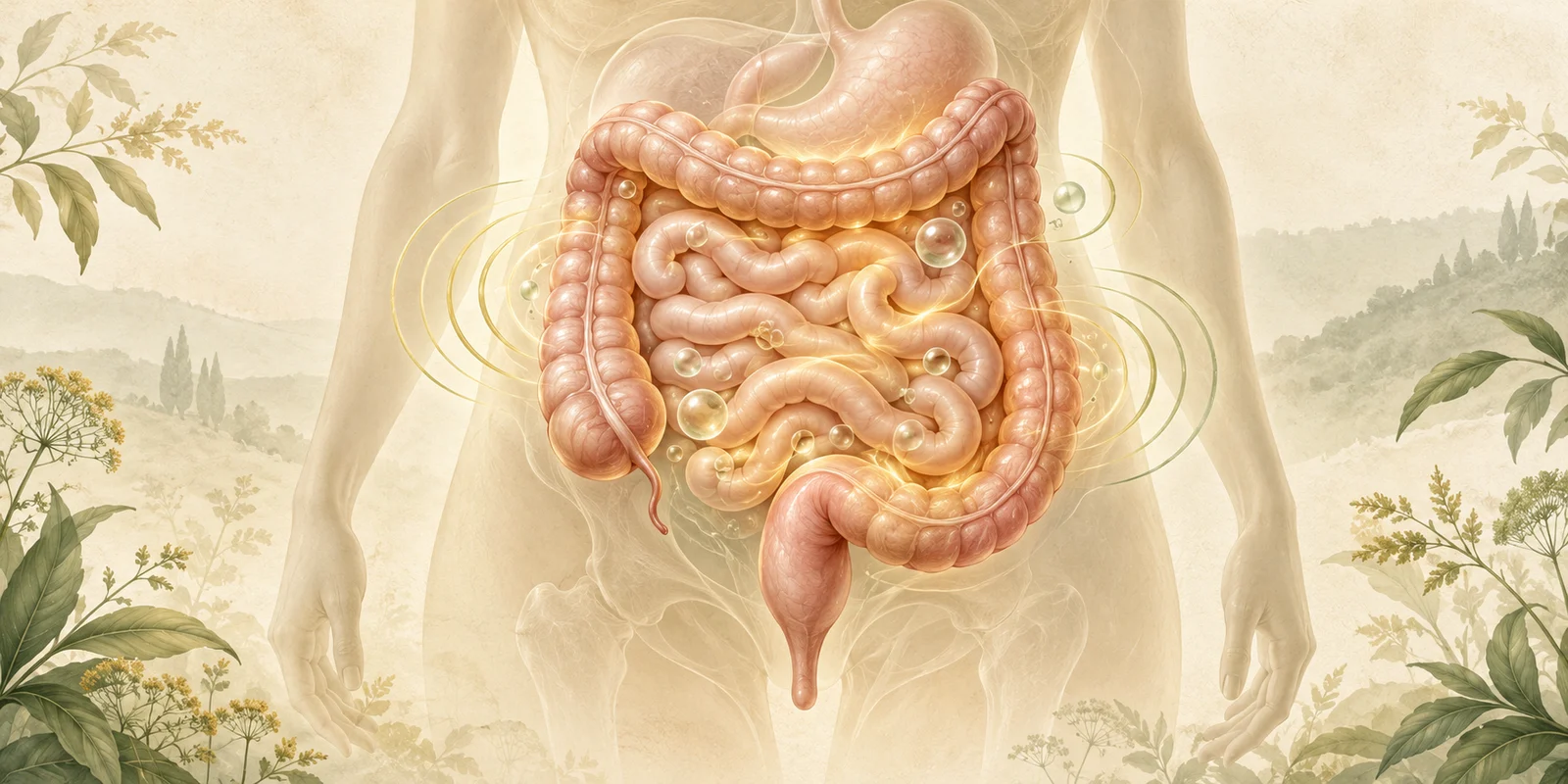
No. Heartburn is usually a burning sensation behind the breastbone. Indigestion describes upper abdominal discomfort, early fullness, or post-meal fullness. They can occur together, but the assessment and causes may differ.
Should I take an acid medicine every day?
Daily treatment may be appropriate for some people with GERD, but repeated or long-term use should follow a clinician's or pharmacist's advice. Persistent symptoms or a need for frequent relief deserve review.
Medical education sources
Sources accessed 28 October 2026. Illustrations are simplified educational concepts, not diagnostic images.