What gallstones are
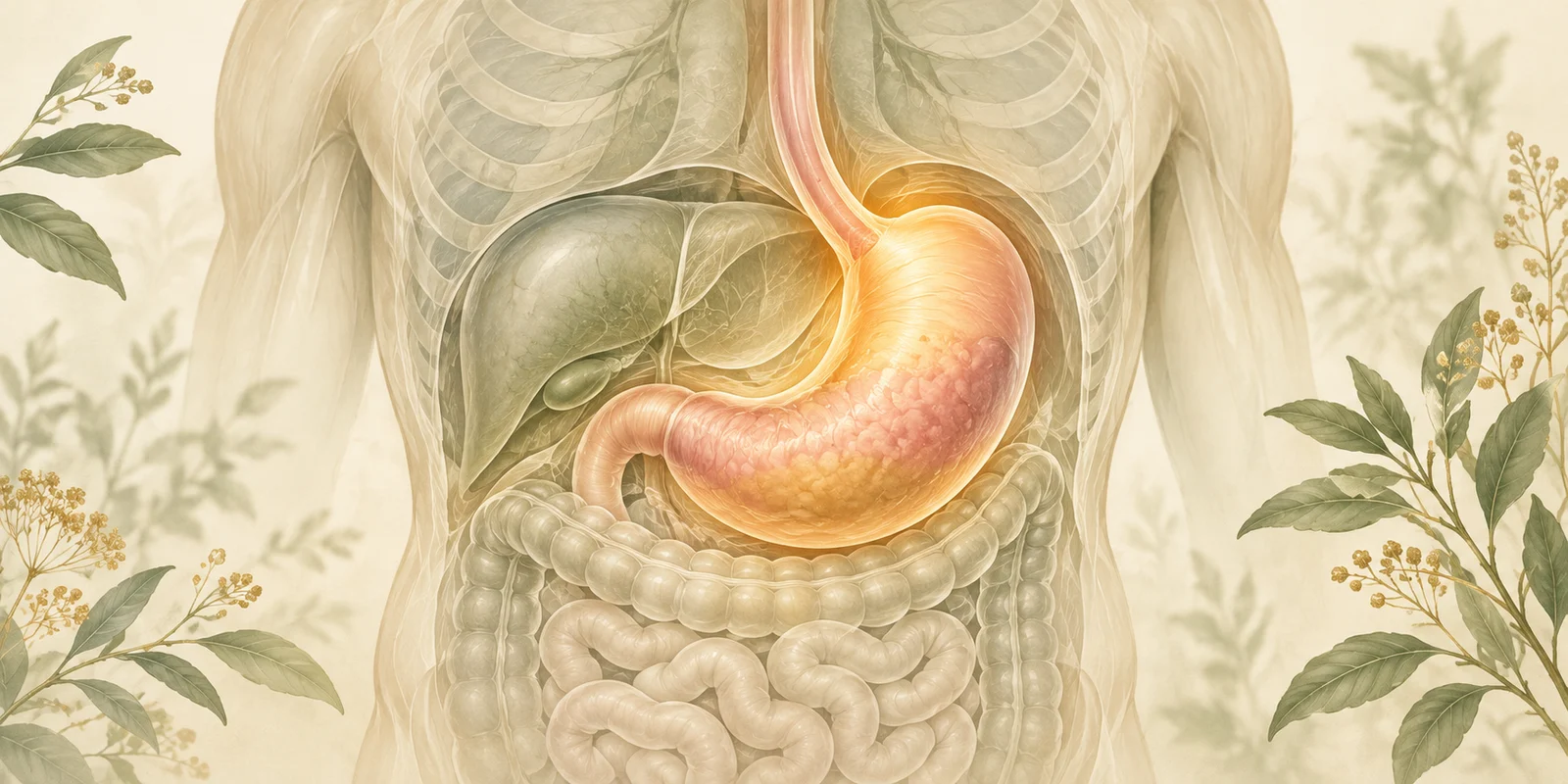
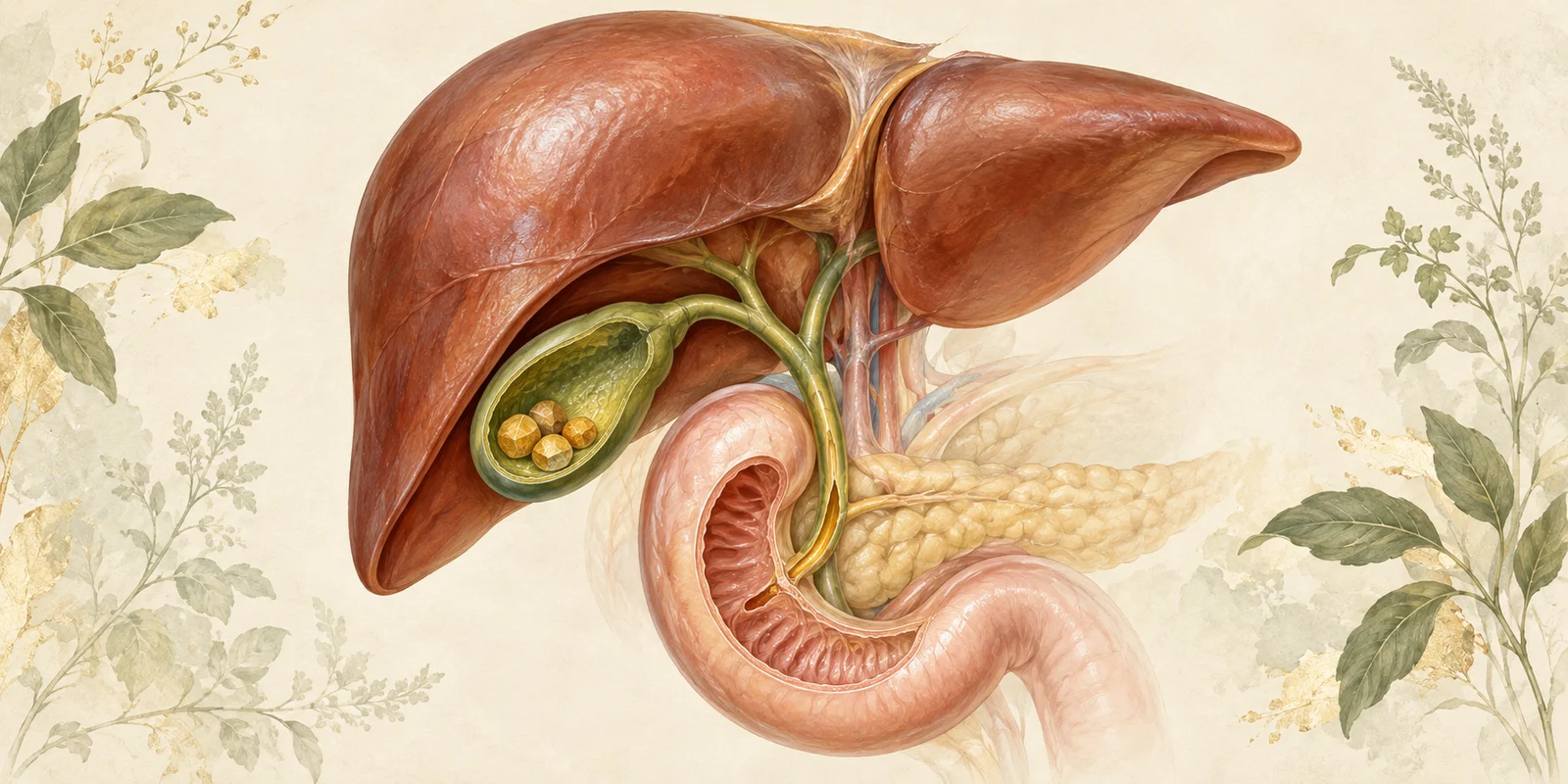
The liver makes bile, a fluid that helps digest fats. The gallbladder stores and releases it into the small intestine. Gallstones are hardened deposits that form when the components of bile become imbalanced or the gallbladder does not empty effectively.
Many stones are found incidentally and never cause symptoms. These silent gallstones often do not need treatment. A symptomatic stone, however, can block a duct and cause an attack or complications.
Pain patterns and possible complications
A gallbladder attack often causes pain in the upper right or central upper abdomen that can last for hours. Nausea or vomiting may occur. Episodes may follow a heavy meal, but meal timing alone cannot identify the cause.
If obstruction persists, inflammation or infection can develop. Stones in the common bile duct may cause jaundice, and blockage affecting the pancreatic drainage pathway can contribute to pancreatitis. Pain should not automatically be dismissed as indigestion.
Causes and risk factors
Some stones contain mainly cholesterol, while others contain pigment related to bilirubin. Risk can be influenced by age, family history, pregnancy, body weight, and certain medical conditions.
Rapid weight loss and repeated cycles of losing and regaining weight may increase risk. That does not mean gradual, supported weight management should be avoided. The goal is a sustainable approach rather than crash diets or prolonged fasting.
How gallstones are diagnosed
A clinician assesses the location and duration of pain, fever, vomiting, jaundice, and examination findings. Ultrasound is commonly used to look for gallstones. Blood tests may help identify inflammation, infection, or involvement of the liver or pancreas.
Other imaging or duct investigations may be needed if a blockage is suspected. Finding stones does not automatically prove they explain every symptom; the clinical pattern and other possible causes still matter.
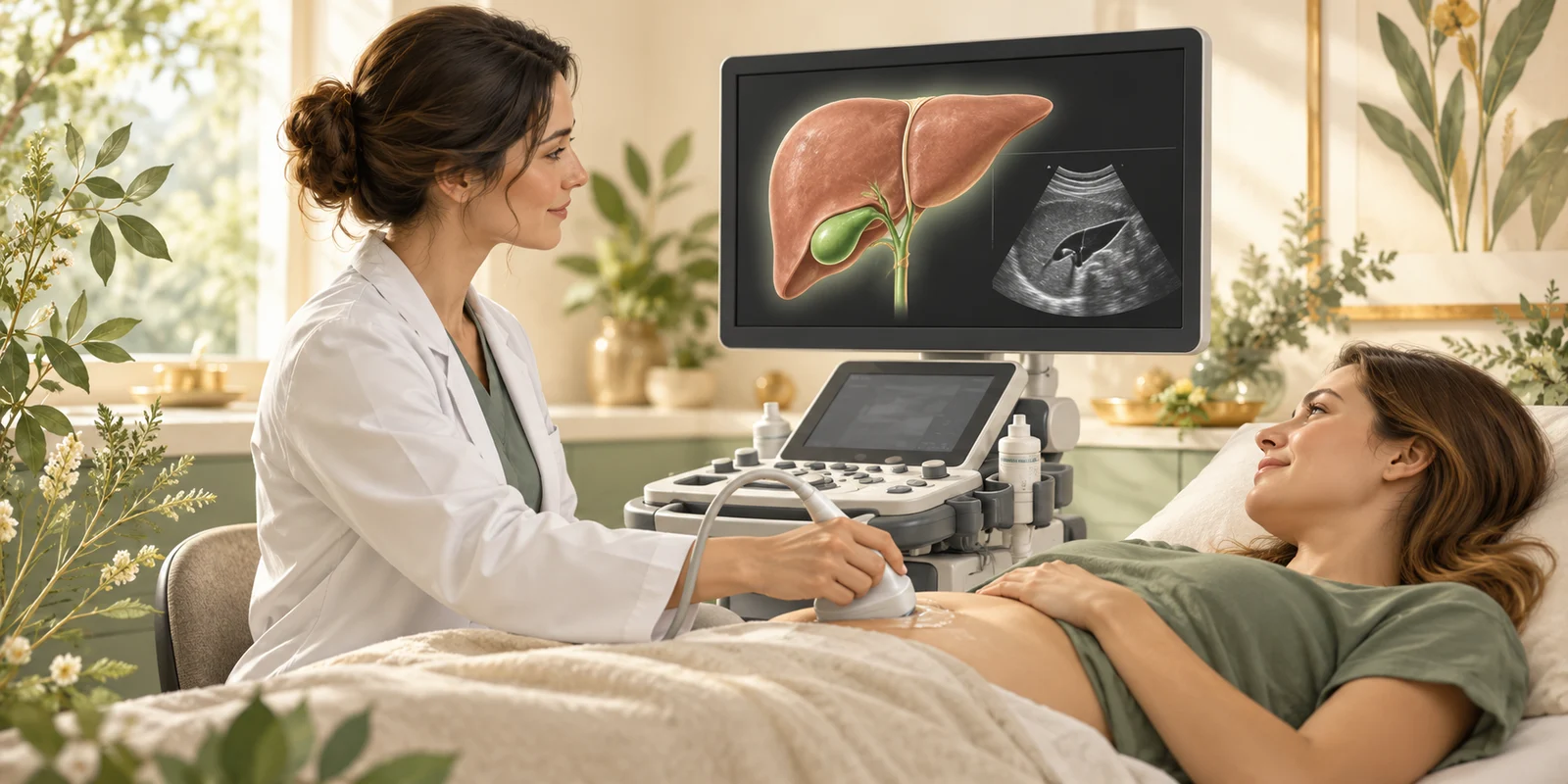
Treatment depends on symptoms and location
Silent stones may be observed, while recurrent attacks or complications commonly lead to consideration of surgery to remove the gallbladder. A person can live without a gallbladder because bile continues to be produced by the liver.
Stones stuck in a bile duct may need an endoscopic procedure such as ERCP. Dissolving medicines have a limited role in selected situations. So-called gallbladder flushes are not a substitute for assessment or established treatment.
Food choices and reducing future risk
A balanced eating pattern, regular activity, and gradual weight management can reduce some risk factors, but cannot prevent every stone. Dietary adjustments may reduce meal-related discomfort while a treatment plan is arranged; they do not reliably remove existing stones.
Avoid extreme restriction or assuming that removing all fat will solve the problem. Discuss nutrition and any symptoms after treatment with the care team. New pain with fever or jaundice needs care, not another dietary experiment.
Common questions
Does every gallstone need surgery?
No. Stones found without symptoms often do not require treatment. Symptoms, complications, and individual circumstances determine the plan.
Can a diet dissolve gallstones?
Dietary changes can support health or reduce some triggers, but do not reliably dissolve existing stones. Do not postpone care for painful attacks while trying cleanses or flushes.
Medical education sources
Sources accessed 28 October 2026. Illustrations are simplified educational concepts, not diagnostic images.