What counts as constipation?
Constipation may mean fewer than three bowel movements a week, but frequency is not the only feature. Hard or lumpy stool, painful passage, excessive straining, or a sense of incomplete emptying can also be important. Your usual pattern provides useful context.
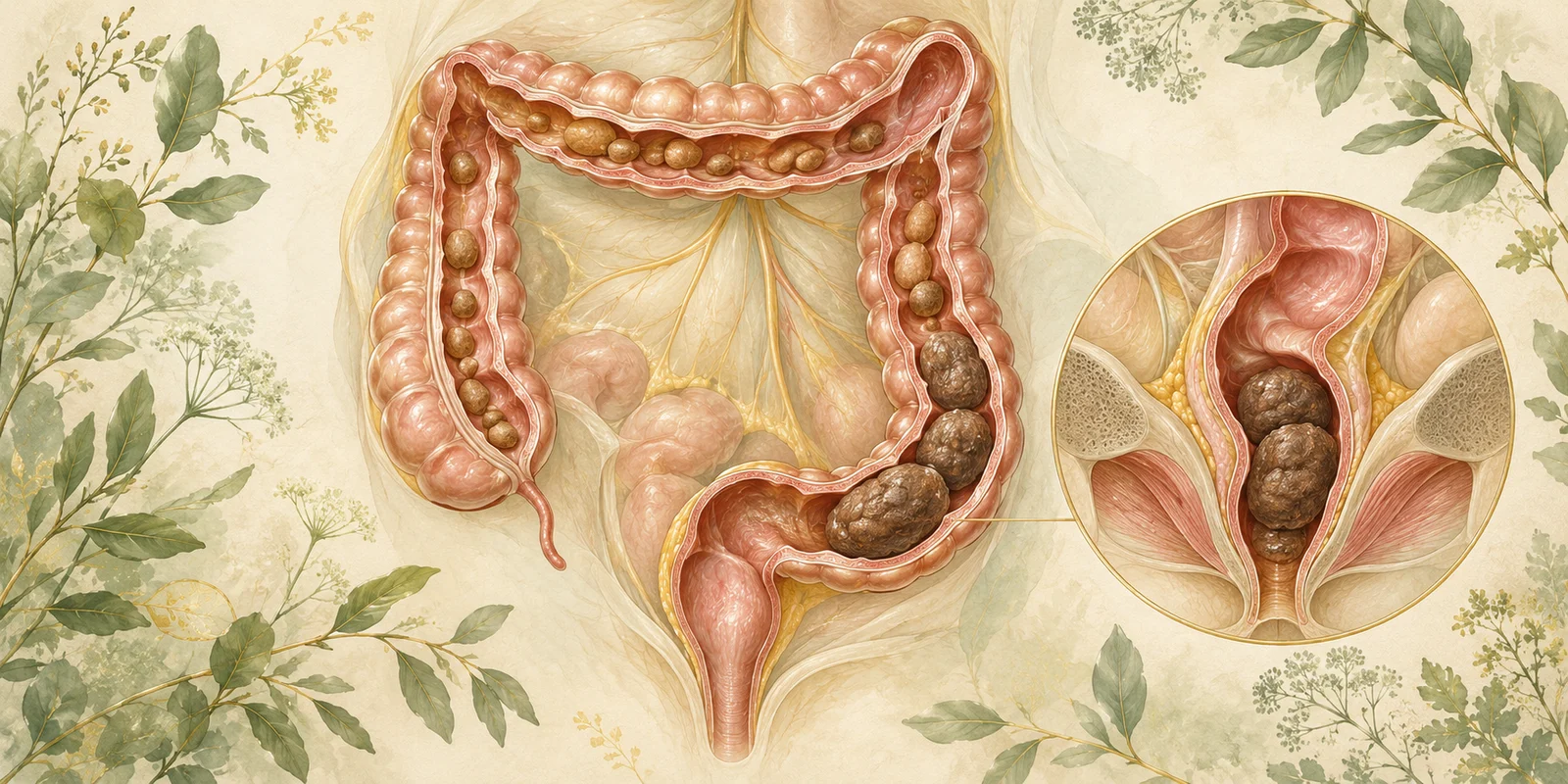
The colon absorbs water as contents move through it. Slower movement can make stool harder. In some people, the muscles used to empty the bowel do not coordinate effectively, so simply adding more fiber may not address the whole problem.
Symptoms and effects on daily life
Alongside difficult bowel movements, people may notice bloating, discomfort, or spending longer in the bathroom. Avoiding the toilet because passage hurts can make a difficult cycle worse.
Describe how long the change has lasted, stool appearance, straining, and whether you need special positions or manual help to empty. Repeated discomfort should not be dismissed because you still pass stool every day.
Causes and contributing factors
Travel, changed routines, low fiber intake, inadequate fluid intake, reduced activity, and ignoring the urge can contribute. Medicines such as opioids, iron supplements, and some other treatments may play a role.
Other causes include IBS with constipation, pelvic floor problems, and certain medical conditions. Review medication concerns with a clinician rather than stopping treatment yourself. A persistent new bowel change may need investigation beyond lifestyle advice.
Assessment and selected tests
A clinician reviews symptoms, medicines, eating habits, medical history, and examination findings. Rectal examination may help assess stool retention or an outlet problem. Blood tests or colonoscopy are considered when the history, warning signs, or screening needs warrant them.
If symptoms persist despite an appropriate plan, tests of bowel transit or pelvic floor function may help identify why treatment is failing. Not everyone needs specialist testing.
Treatment matched to the problem
Treatment may include gradual dietary changes and a suitable laxative recommended by a clinician or pharmacist. Different products add bulk, draw water into stool, or stimulate movement; their suitability depends on the situation.
Persistent constipation may need prescription medicines or pelvic floor biofeedback when coordination is the problem. Repeated enemas, cleanses, or combining laxatives without advice is not a substitute for assessment. Do not treat suspected bowel obstruction at home.
Habits that may help prevent recurrence
Build fiber gradually through a balanced diet, drink an appropriate amount of fluid, and keep physically active within your ability. Fluid advice should be individualised if you have a condition requiring restriction.
Allow unhurried time for the toilet, respond to the urge, and avoid prolonged straining. A regular opportunity after a meal may help establish a routine. Prevention is not always possible, particularly when medicines or an underlying disorder contribute.

Common questions
Can I be constipated with daily bowel movements?
Yes. Hard stool, straining, and incomplete emptying may still indicate constipation. Frequency alone cannot describe bowel function.
Will drinking more water solve every case?
Correcting inadequate intake can help, but extra water does not correct every cause. Medicines, slow transit, and pelvic floor coordination may require a different approach.
Medical education sources
Sources accessed 28 October 2026. Illustrations are simplified educational concepts, not diagnostic images.