What does indigestion mean?
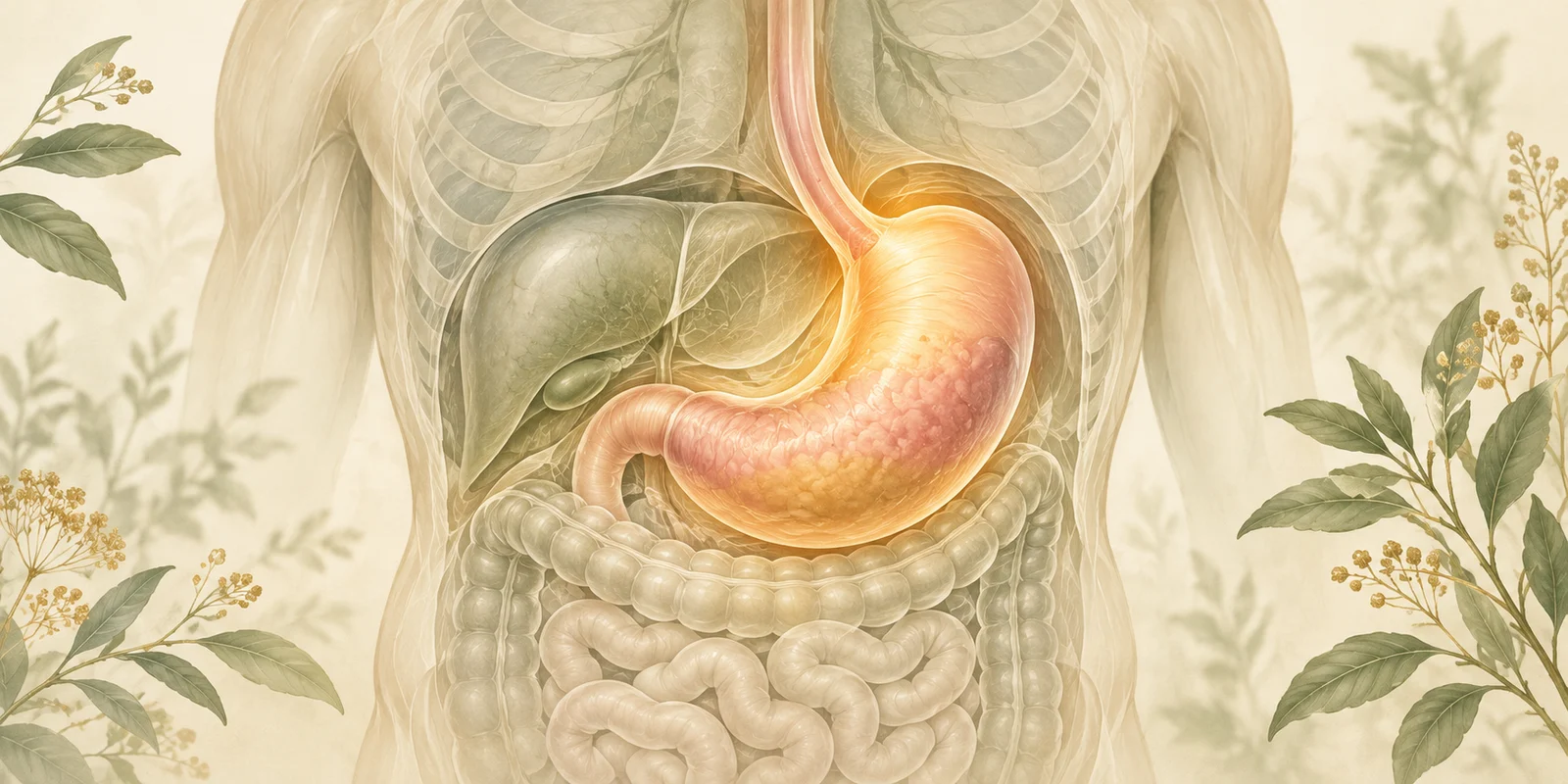
Dyspepsia may involve upper abdominal pain or burning, feeling full unusually early during a meal, or uncomfortable fullness afterwards. It is a description of an experience, not proof of a particular stomach disease.
When appropriate assessment does not identify another explanation, clinicians may diagnose functional dyspepsia, a disorder of gut–brain interaction. Normal tests do not make the discomfort imaginary or unimportant.
Symptoms and differences from reflux
Nausea, belching, and bloating may accompany the central symptoms. Some people struggle to finish an ordinary meal, while others mainly experience discomfort afterwards. Describe both location and timing rather than using only the word acidity.
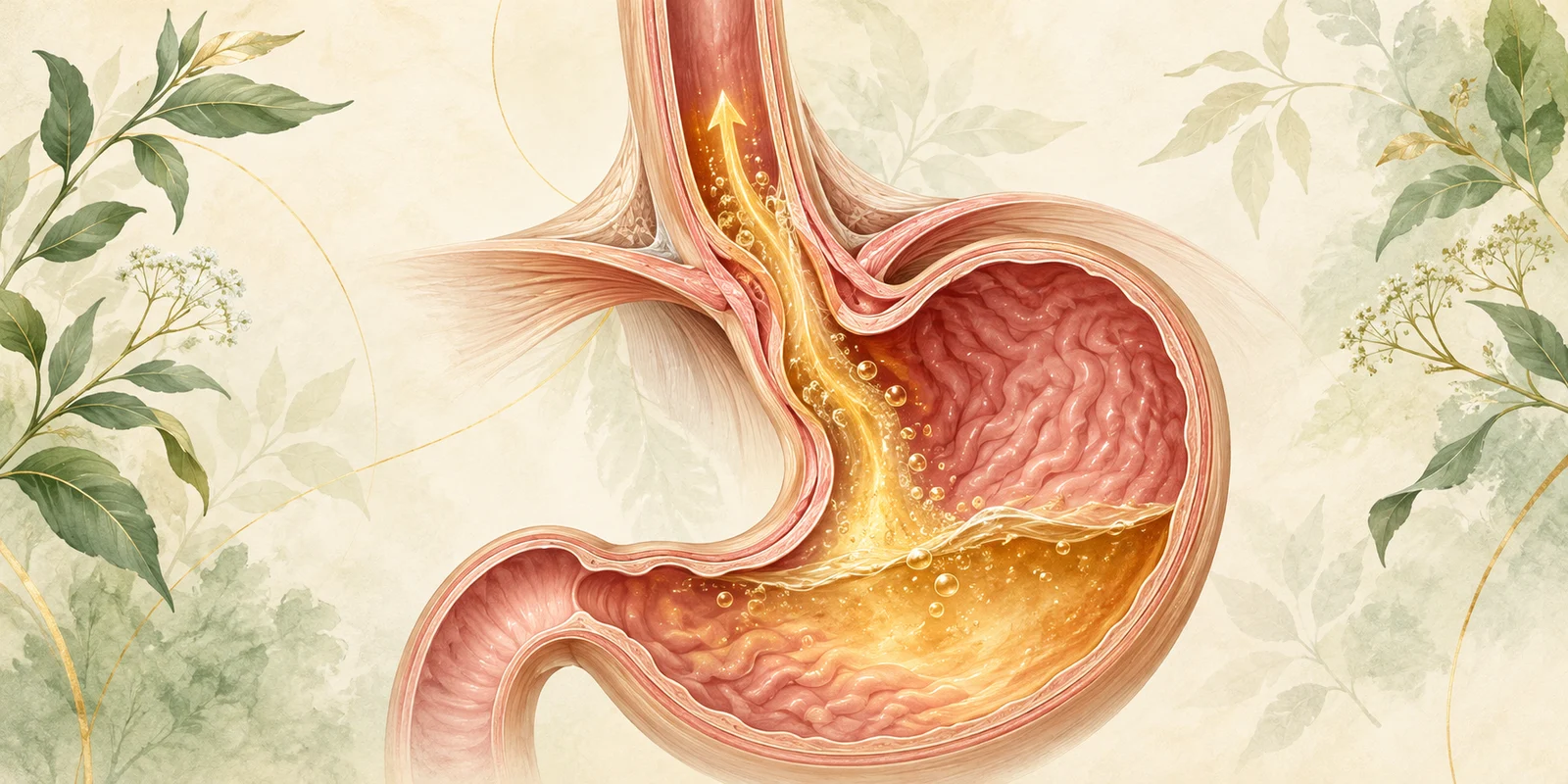
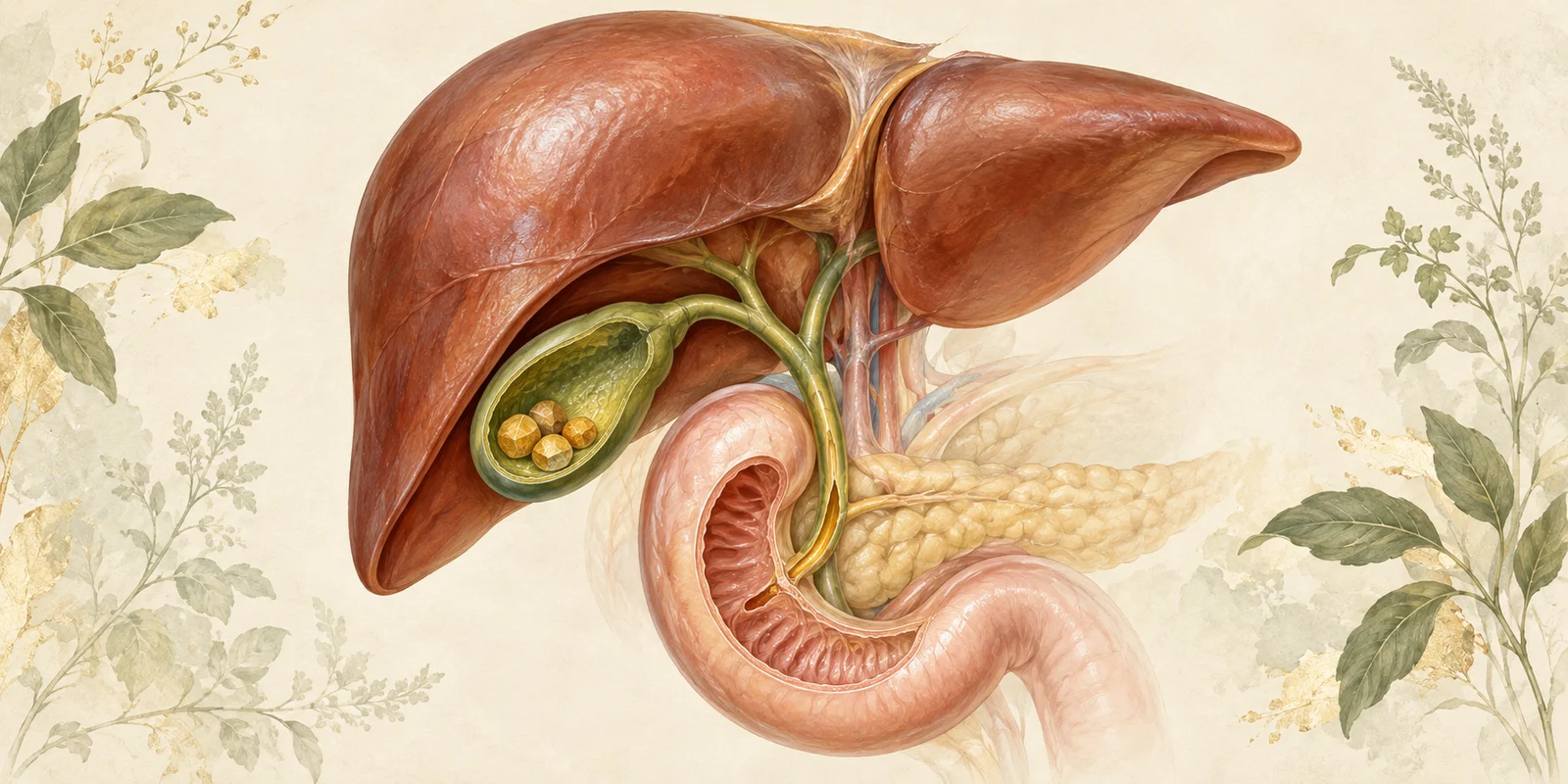
Heartburn is typically burning behind the breastbone, while dyspepsia centres on the upper abdomen. They can coexist. Pain from the gallbladder, ulcers, and other conditions may also overlap, so symptom labels do not determine the cause.
Possible causes and aggravating factors
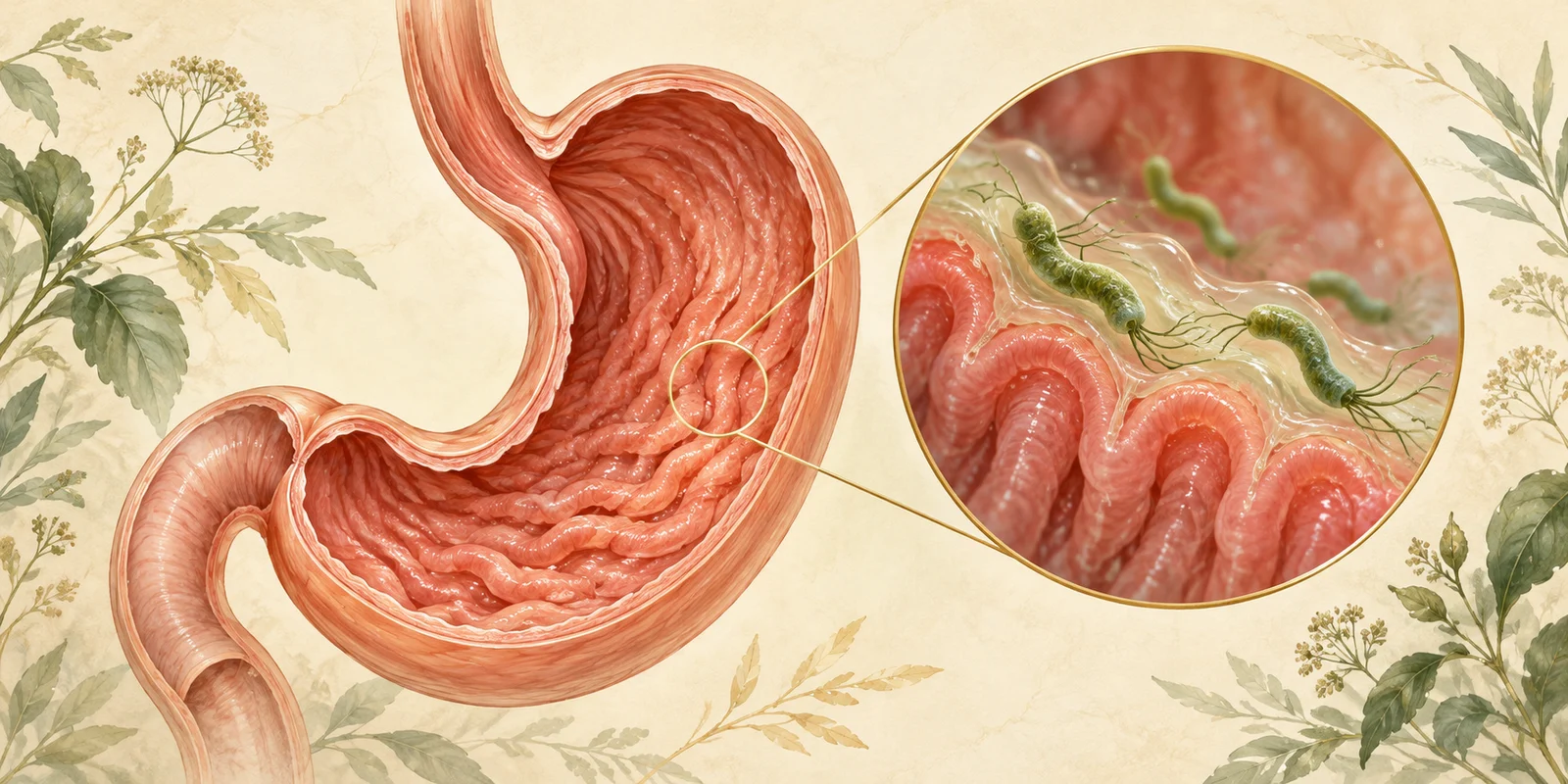
Causes may include peptic ulcers, H. pylori infection, or medication effects. Some anti-inflammatory painkillers, iron supplements, antibiotics, and certain diabetes or weight-management medicines can contribute.
In functional dyspepsia, altered sensitivity, stomach movement, and the way the stomach accommodates a meal may matter. Certain foods can trigger symptoms in some people, but a trigger is not automatically the cause of the condition.
How the cause is investigated
Assessment covers symptoms, medicines, family history, weight changes, and examination. Depending on the situation, a clinician may recommend an H. pylori breath or stool test, blood tests, or upper gastrointestinal endoscopy.
Endoscopy can identify ulcers or other lining changes and obtain biopsies when needed. The need for it depends on risk factors and warning signs; it is not mandatory for every brief episode of post-meal discomfort.
Treatment and follow-up
Treatment addresses the identified cause: for example, prescribed combination therapy for confirmed H. pylori or a review of a contributing medicine. Acid-reducing treatment may help selected people, and other therapies may be considered for functional dyspepsia.
Ongoing symptoms deserve a planned review, especially if eating becomes difficult or weight falls. Avoid assuming that repeated antacids or unverified digestive supplements can replace assessment. Do not stop prescribed medicines without advice.
Eating habits and symptom reduction
Smaller meals and taking time to eat may be easier to tolerate for some people. Record specific patterns and avoid only reproducible triggers rather than imposing a highly restrictive diet. A dietitian can help protect nutrition if early fullness limits intake.
Stopping smoking and addressing sleep and stress may support care. There is no universal prevention plan because the causes differ. New or worsening symptoms should prompt reassessment rather than simply stricter food avoidance.

Common questions
Does indigestion always mean an ulcer?
No. An ulcer is one possible cause, but many people have functional dyspepsia or another explanation. Symptoms alone cannot confirm an ulcer.
Can normal tests still lead to a real diagnosis?
Yes. Functional dyspepsia is a recognised diagnosis based on an appropriate symptom pattern and evaluation. Care focuses on symptoms, nutrition, function, and reassessment when the pattern changes.
Medical education sources
Sources accessed 28 October 2026. Illustrations are simplified educational concepts, not diagnostic images.