What diarrhea means
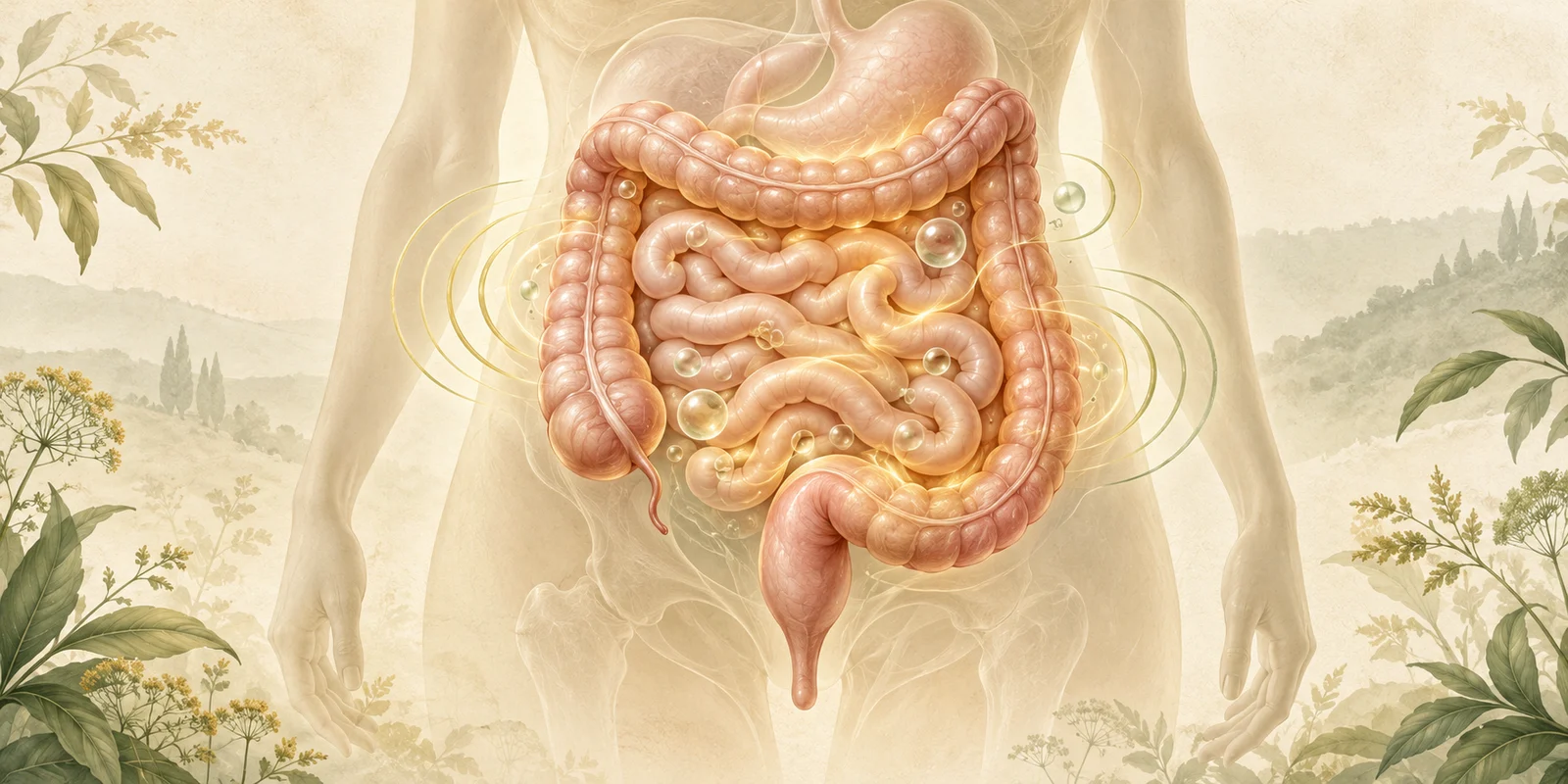
Diarrhea usually means loose, watery stools three or more times a day, or more often than is normal for you. Urgency, cramps, nausea, or loss of bowel control may accompany it. A change in consistency is important as well as frequency.
A short episode often resolves, while diarrhea that continues or repeatedly returns needs a different assessment. The duration, recent travel, medicines, and associated symptoms help distinguish possible causes.
Common causes and persistent problems
Infections, contaminated food or water, and medication effects can cause acute diarrhea. Antibiotics may also be relevant, including when symptoms appear during or after a course. Do not assume that every episode needs an antibiotic.
Lactose intolerance, IBS, celiac disease, inflammatory bowel disease, and other disorders can contribute to persistent or recurrent symptoms. A food association is a clue rather than a diagnosis, especially if there is weight loss, bleeding, or nighttime diarrhea.
Recognising dehydration
Loss of water and salts may cause intense thirst, dry mouth, dark urine, reduced urination, tiredness, or dizziness. More serious dehydration can lead to confusion, marked weakness, or fainting.
Babies and young children can become dehydrated quickly. Fewer wet diapers, unusual sleepiness, no tears when crying, or difficulty drinking need prompt attention. Older adults and people with significant medical conditions may also need earlier review.
How clinicians assess diarrhea
Assessment considers the duration, stool pattern, fever, bleeding, exposures, medicines, and hydration. Many mild short episodes do not require testing, but severe, persistent, or high-risk cases may need stool or blood tests.
Additional investigations may be chosen for chronic diarrhea or suspected inflammatory or absorption problems. Tell the clinician about recent antibiotics, hospital stays, travel, immune problems, or other affected household members.
Treatment and appropriate fluid replacement
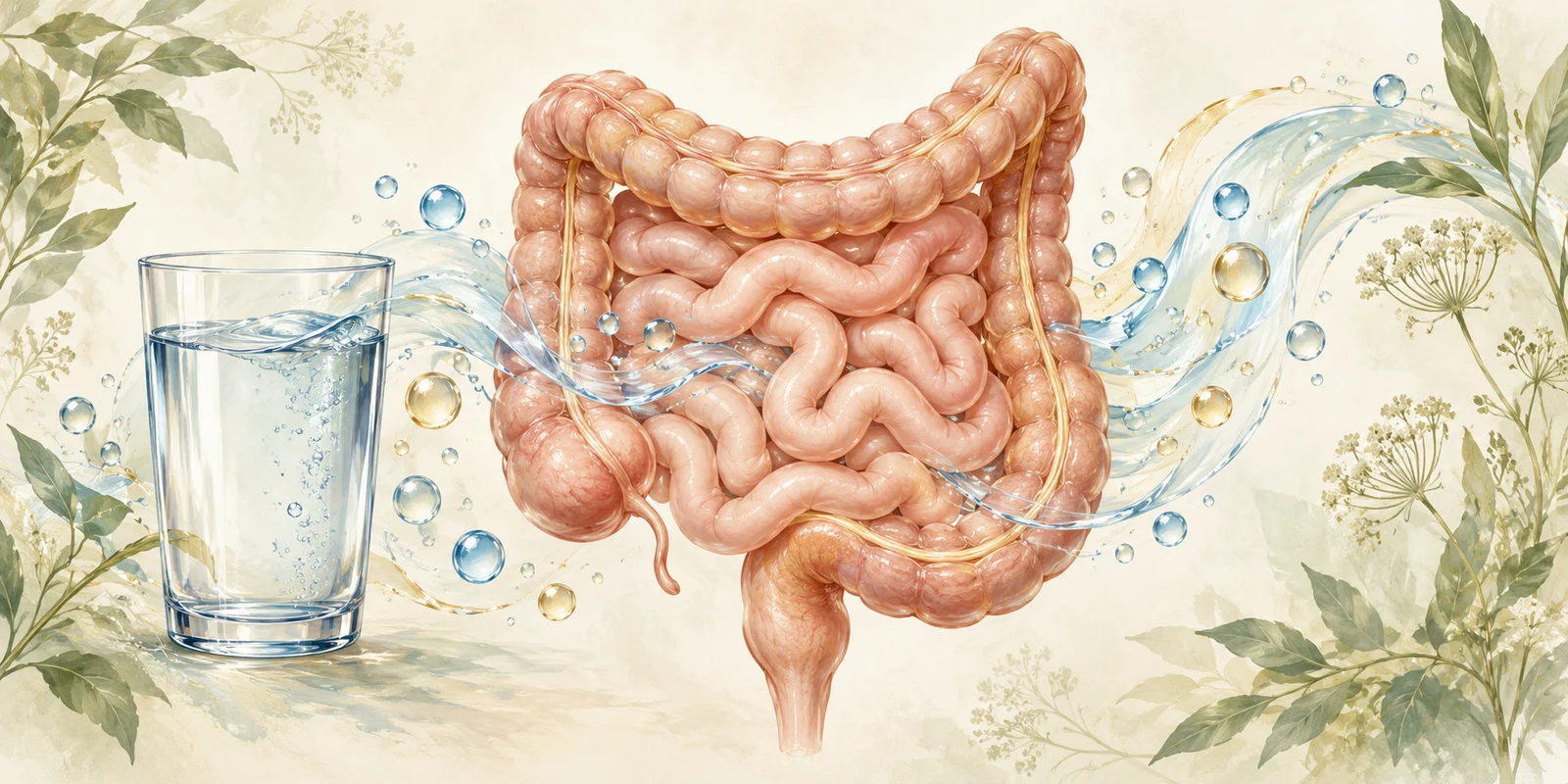
Replacing lost fluid and electrolytes is central. Oral rehydration solution can be useful, particularly when losses are significant; mix packaged products exactly as directed. Water alone may not replace salts during substantial losses. People with fluid restrictions should seek individual advice.
Continue age-appropriate feeding as tolerated; infants should usually continue breast milk or formula with professional guidance. Some adults may use selected over-the-counter treatments, but blood in stool or fever requires advice first. Do not give antidiarrheal medicines to children without medical guidance.

Recovery and reducing infection risk
Handwashing with soap and water, safe food preparation, and safe drinking water help reduce infectious diarrhea. Follow local advice about staying away from food preparation, work, school, or childcare while infectious symptoms continue.
As appetite returns, avoid unnecessary prolonged fasting or very restrictive diets. If a food repeatedly worsens symptoms, discuss a short-term adjustment. Persistent diarrhea needs its cause addressed rather than repeated symptom suppression.
Common questions
Do antibiotics treat every episode?
No. Many episodes do not benefit from antibiotics, and some medicines can themselves cause diarrhea. Treatment depends on the cause and the person's risk factors.
Is a sports drink the same as oral rehydration solution?
No. Their sugar and salt balance differs. A pharmacist or clinician can advise on an appropriate rehydration product, especially for children or significant fluid loss.
Medical education sources
Sources accessed 28 October 2026. Illustrations are simplified educational concepts, not diagnostic images.