What IBS is—and what it is not
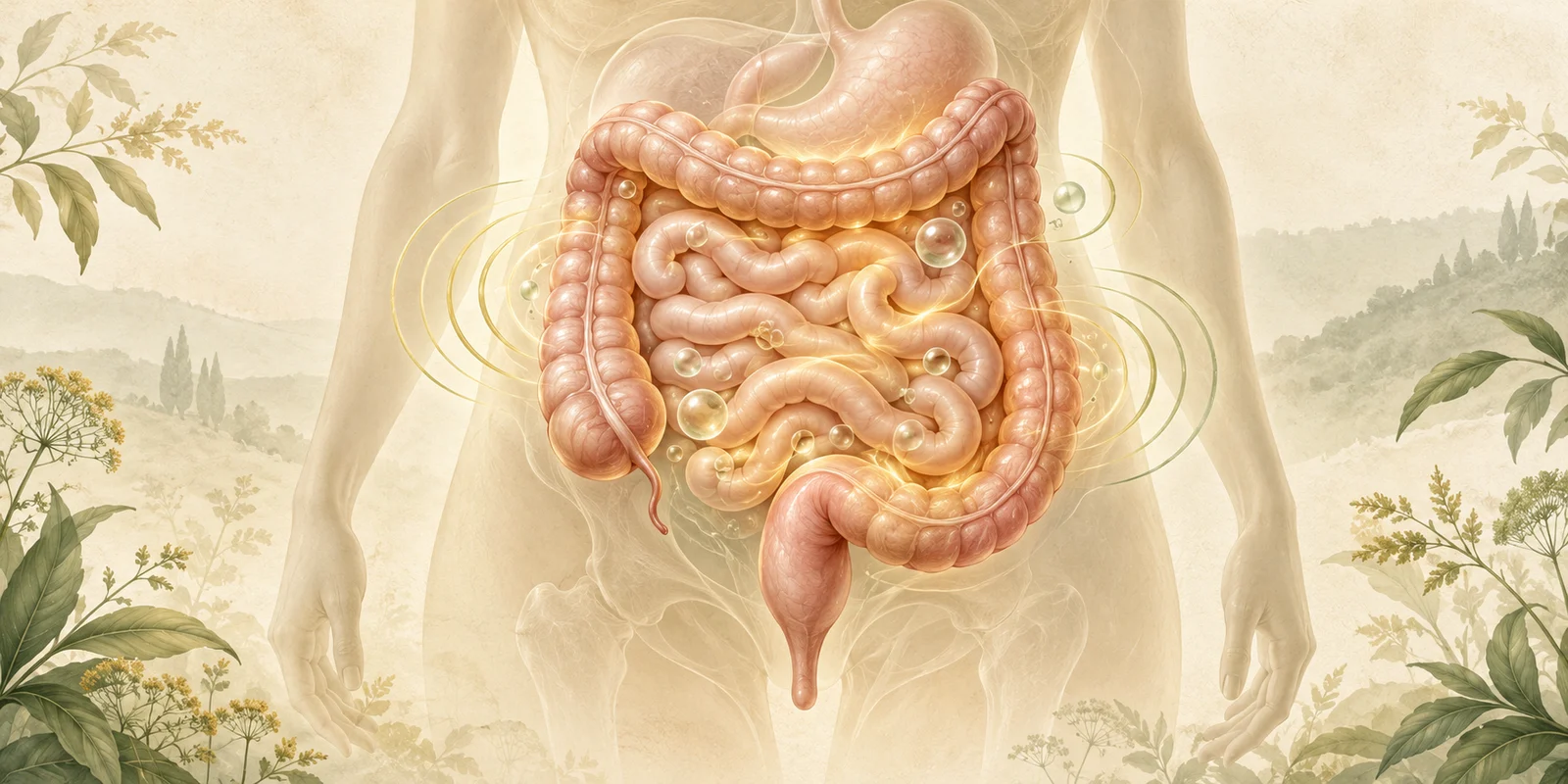
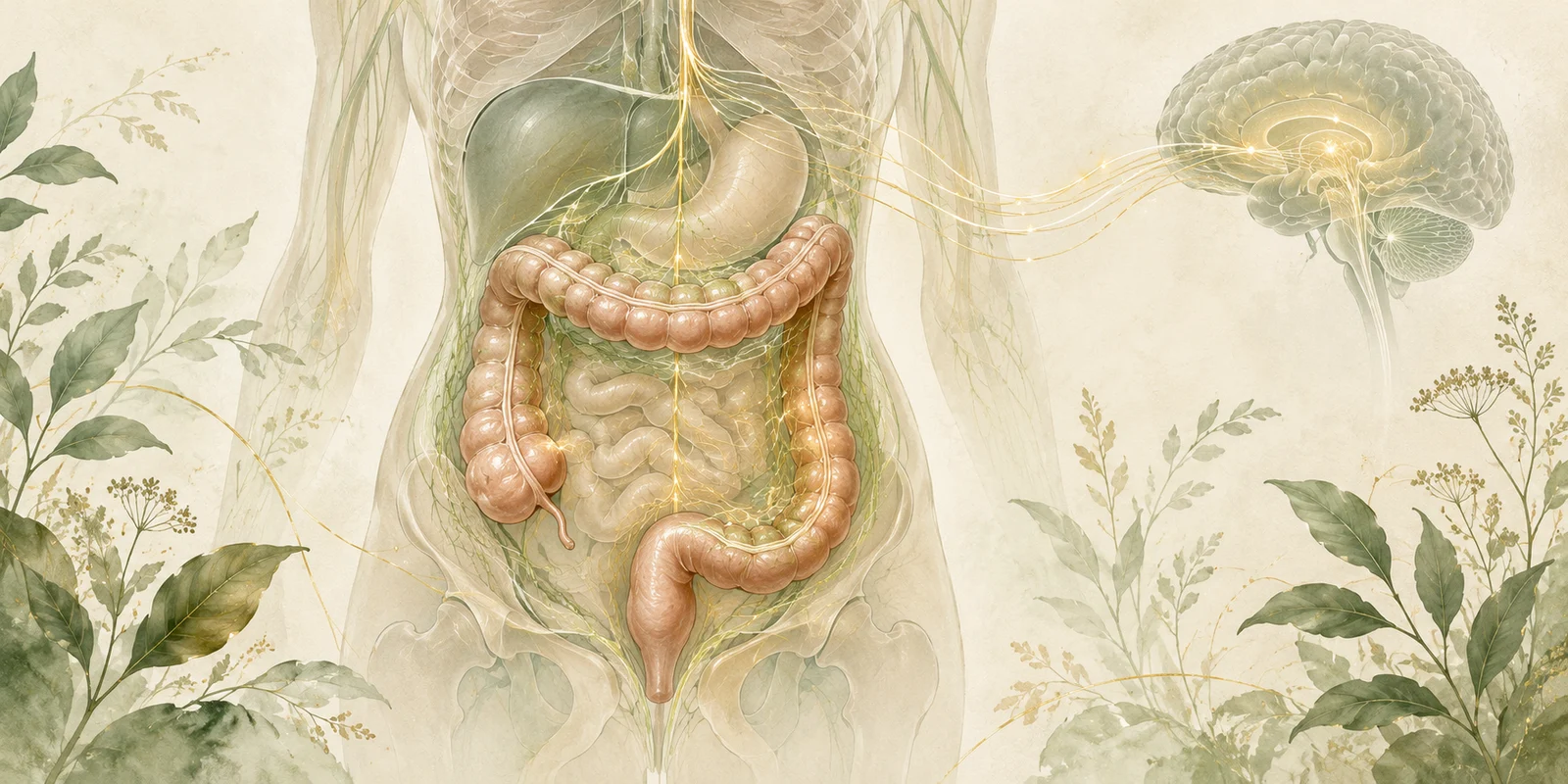
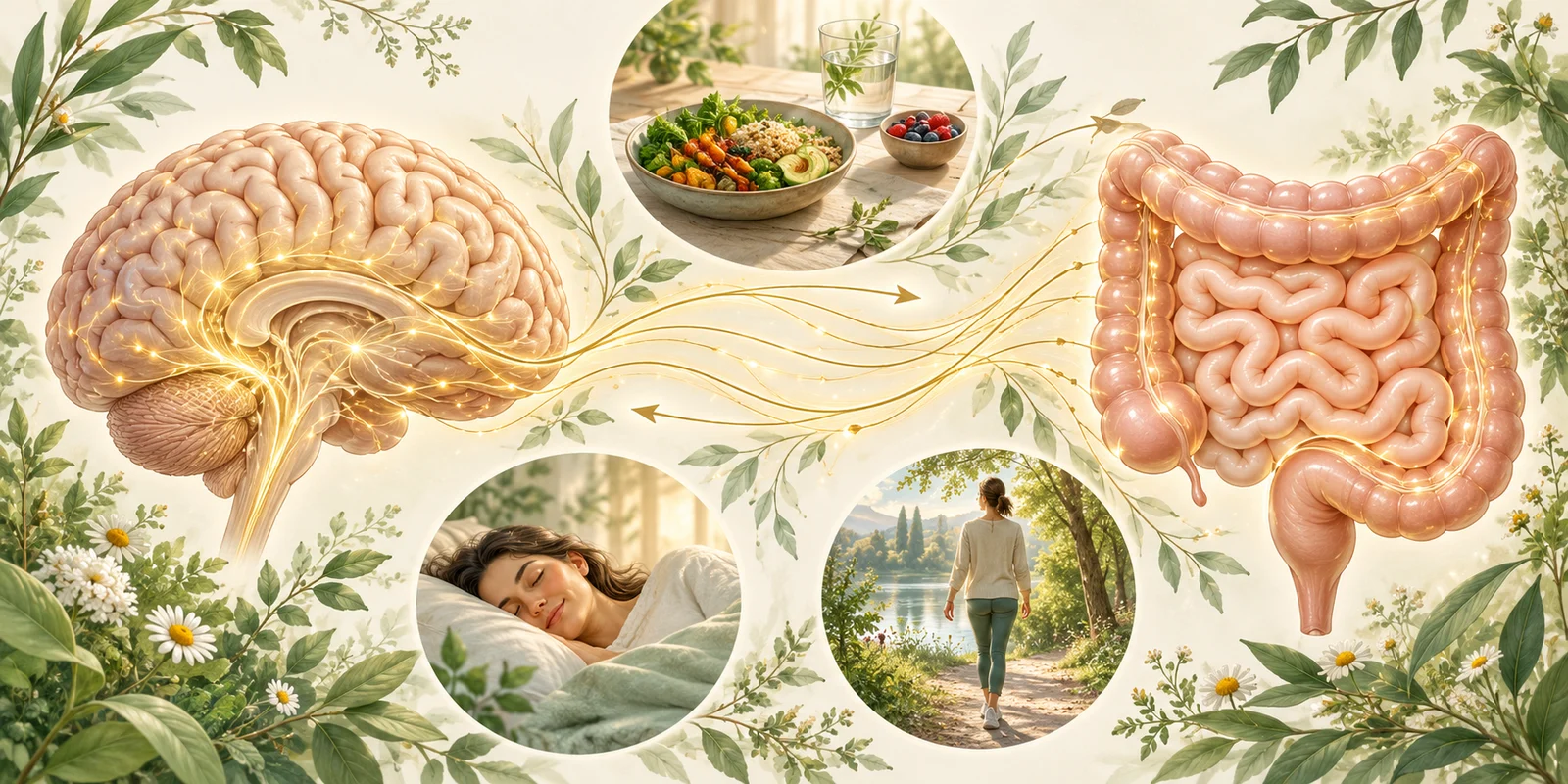
Irritable bowel syndrome is a disorder of gut–brain interaction. Changes in intestinal sensitivity, movement, and communication can produce pain and altered stool patterns even when routine tests do not show visible injury. The symptoms are real and can affect travel, work, meals, and social life.
IBS is different from inflammatory bowel disease, such as Crohn's disease or ulcerative colitis. It does not mean that every future abdominal symptom should be attributed to IBS. New warning signs still need evaluation.
Recognising symptoms and bowel patterns
The central pattern is recurrent abdominal pain associated with bowel movements or a change in stool frequency or appearance. Pain may improve or worsen after passing stool. Bloating, urgency, and a feeling of incomplete emptying may also occur.
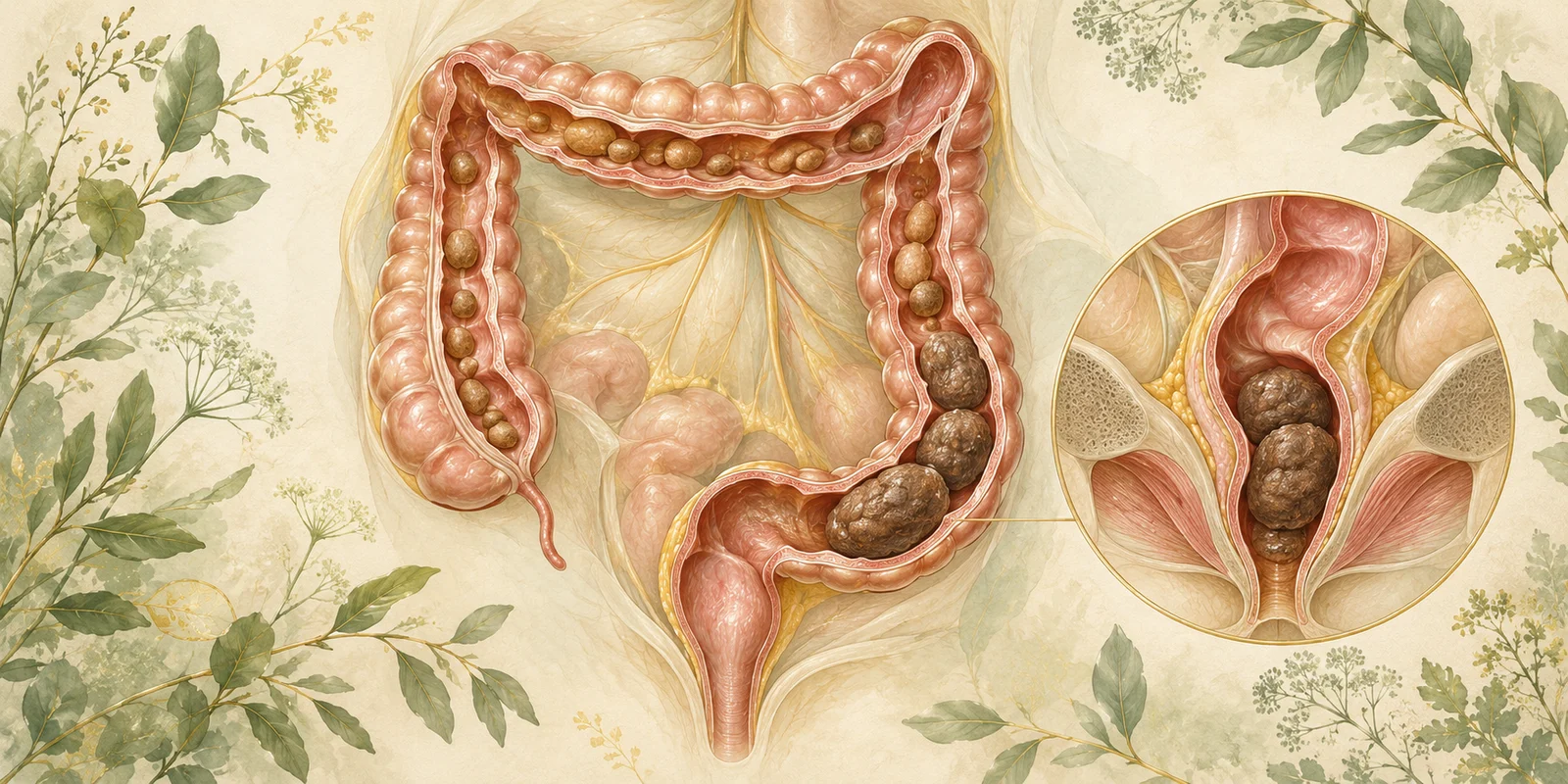
Some people mainly have constipation, others diarrhea, and others alternate between the two. The pattern helps guide care because a medicine helpful for one pattern may be unsuitable for another. A brief diary of pain, stool form, and meal timing can make the history clearer.
Why symptoms can develop or flare
There is no single cause that explains every case. Greater gut sensitivity, changes in bowel movement, a previous digestive infection, and stress-related changes in gut–brain signalling may contribute. Having symptoms during stress does not mean the condition is a personal failure or only a psychological problem.
Food can trigger symptoms without causing an allergy or damaging the intestine. Triggers vary, so another person's successful diet may be a poor fit for you. Persistent symptoms should not automatically lead to increasingly narrow food choices.
How IBS is assessed
A clinician reviews the pattern and duration of pain and stool changes, examines the person, and checks for features suggesting another explanation. Depending on the history, selected blood or stool tests may help assess celiac disease, inflammation, or infection.
IBS can often be diagnosed from an appropriate clinical pattern rather than by performing every available test. Colonoscopy is not required for everyone, but may be appropriate for warning signs, screening, or an uncertain diagnosis.
Treatment tailored to the bowel pattern
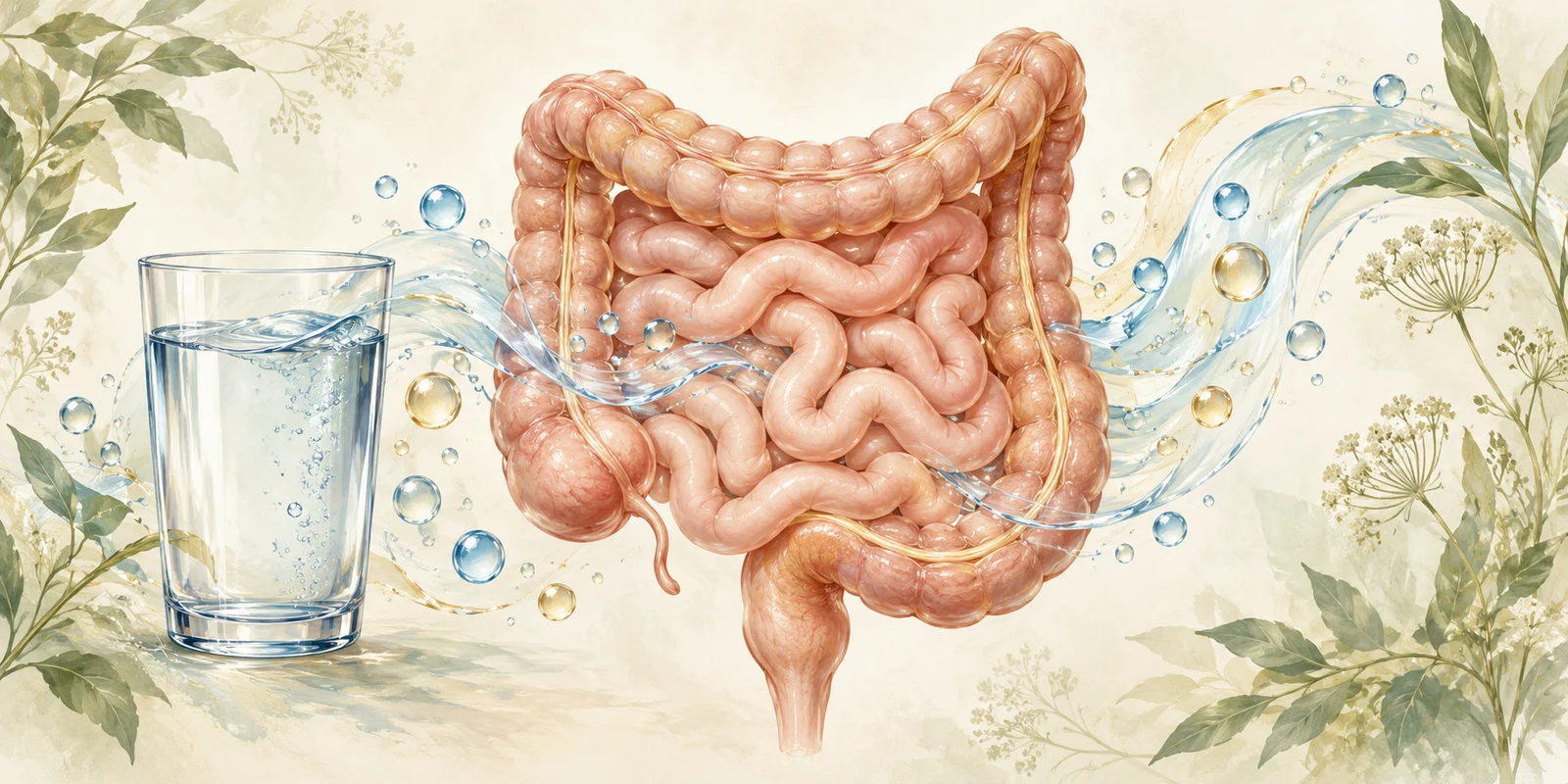
Management may involve changes in fiber intake, selected medicines for constipation or diarrhea, and treatments for pain or gut sensitivity. Soluble fiber may help some people, but increasing it gradually reduces the chance of worsening gas. Treatment is usually adjusted over time.
Gut-directed psychological therapies, such as cognitive behavioral therapy or hypnotherapy, can be part of care. Their purpose is to improve symptom control through the gut–brain connection. They do not imply that the symptoms are invented.
Food, routines, and reducing flares
Regular meals, appropriate activity, sleep routines, and time for bowel movements can support day-to-day management. A dietitian may recommend a time-limited low-FODMAP trial followed by structured reintroduction. It is not intended as a permanent ban on many foods.
There is no guaranteed way to prevent IBS. The practical aim is to identify tolerable routines, reduce flares, and protect nutrition and quality of life. Review the plan if it stops helping, and discuss supplements rather than assuming that all probiotics or herbal products are effective.
Common questions
Does IBS turn into inflammatory bowel disease?
IBS and inflammatory bowel disease are distinct conditions. IBS does not itself mean there is inflammatory damage. However, a person can develop another condition, so new symptoms should be assessed on their own merits.
Should I remove gluten or dairy?
Not automatically. Food changes should follow your symptom pattern and nutritional needs. Celiac testing can become harder to interpret after removing gluten, so discuss testing before starting a gluten-free diet.
Medical education sources
Sources accessed 28 October 2026. Illustrations are simplified educational concepts, not diagnostic images.