
What are hemorrhoids?
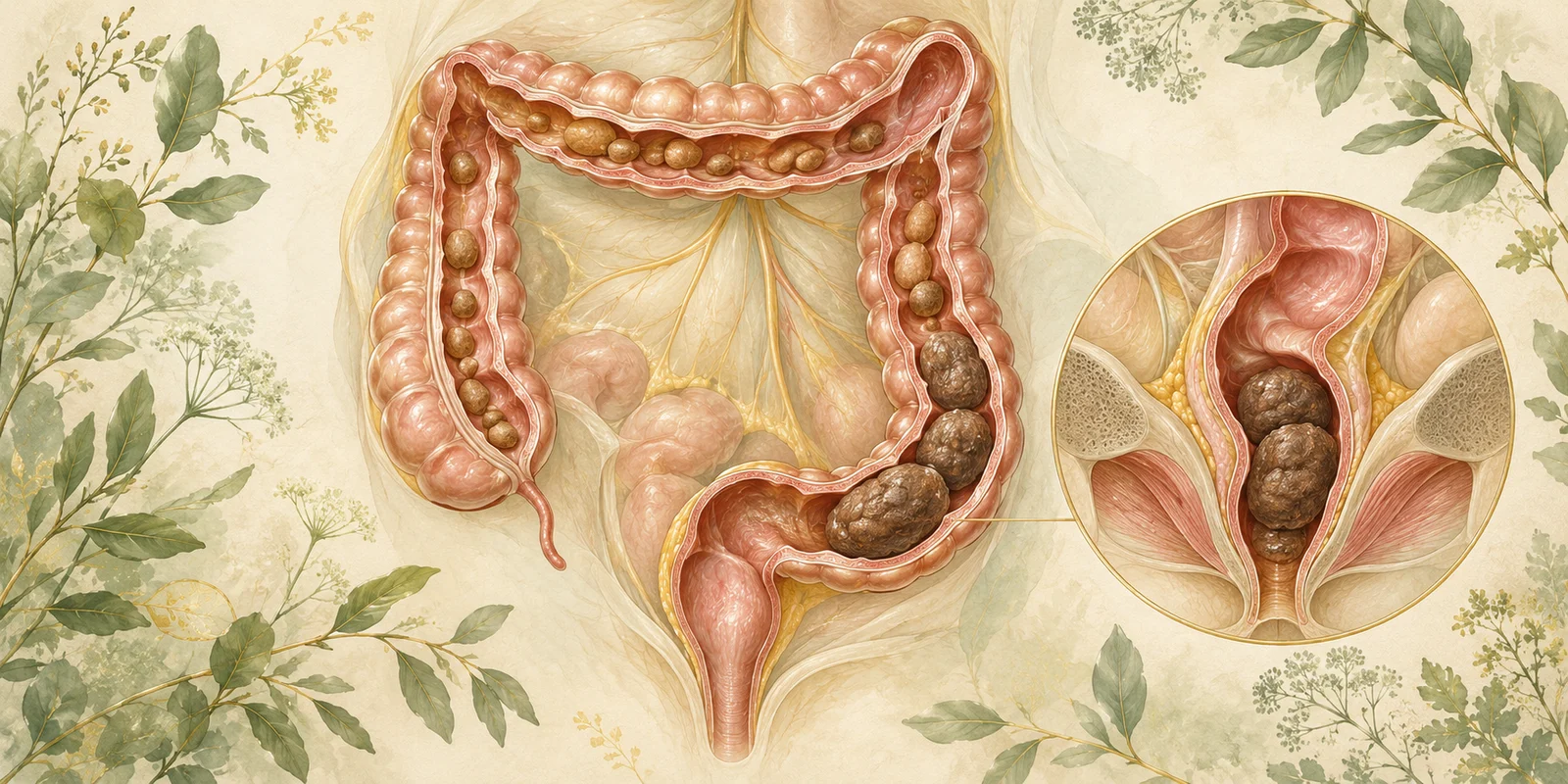
Hemorrhoids are swollen and inflamed veins around the anus or in the lower rectum. Internal hemorrhoids occur inside the rectum, while external hemorrhoids develop under the skin around the anus. Their location influences the symptoms and treatment options.
The condition is common and can affect daily comfort. A painful lump or bleeding may have another explanation, such as a fissure or a different bowel condition, so a symptom description is not a diagnosis.
Symptoms and patterns
External hemorrhoids may cause itching, tenderness, swelling, or discomfort while sitting. A clot in an external hemorrhoid can cause a particularly painful lump. Internal hemorrhoids may produce bright red bleeding or protrude during a bowel movement.
Internal hemorrhoids are not always painful. Conversely, severe anal pain should not automatically be explained by a familiar hemorrhoid problem. Tell a clinician about the colour and amount of blood, pain, bowel changes, and how long symptoms have lasted.
Causes and contributing factors
Straining, spending long periods on the toilet, chronic constipation or diarrhea, and a low-fiber diet can contribute. Pregnancy and changes in supporting tissues with age may also play a role.
Reducing strain is a practical goal, but the condition is not a sign of poor character or something to hide. Treating a contributing bowel problem may be more useful than repeatedly applying a cream while the same difficulty continues.
How symptoms are assessed
A clinician asks about bleeding, pain, bowel habits, medicines, and personal or family history. Examination may include inspection, a rectal examination, or a short instrument to look at the anal canal.
Further bowel investigation is selected according to age, symptoms, risk factors, and screening needs. The presence of hemorrhoids does not rule out another source of bleeding. A clear assessment helps avoid delays caused by self-diagnosis.
Treatment from comfort measures to procedures
Care often begins with softer, easier-to-pass stool and less straining. Warm baths and short-term topical products may relieve discomfort, but medicine choice and duration should follow professional advice, especially if symptoms persist.
Persistent bleeding or prolapse may be treated with office procedures such as rubber band ligation, while selected severe cases need surgery. These procedures are performed by clinicians; never attempt banding or cutting a lump at home. A sudden very painful lump merits prompt review.
Daily habits and reducing recurrence
Increase dietary fiber gradually, drink an appropriate amount of fluid, respond to the urge to pass stool, and avoid prolonged toilet sitting and straining. Regular activity and addressing constipation can support a more comfortable routine.
These steps may reduce symptoms and recurrence but do not guarantee prevention. Seek advice if changes fail to help or if you repeatedly need treatment. Discuss bleeding openly; a routine conversation can protect against missing another cause.

Common questions
Is bright red blood always from hemorrhoids?
No. Fissures and other bowel conditions can also cause bleeding. The colour alone cannot establish the source.
Do all hemorrhoids need surgery?
No. Many improve with bowel-habit changes and appropriate symptom care. Persistent or severe symptoms may need an office procedure or surgery after assessment.
Medical education sources
Sources accessed 28 October 2026. Illustrations are simplified educational concepts, not diagnostic images.