What happens to lactose?
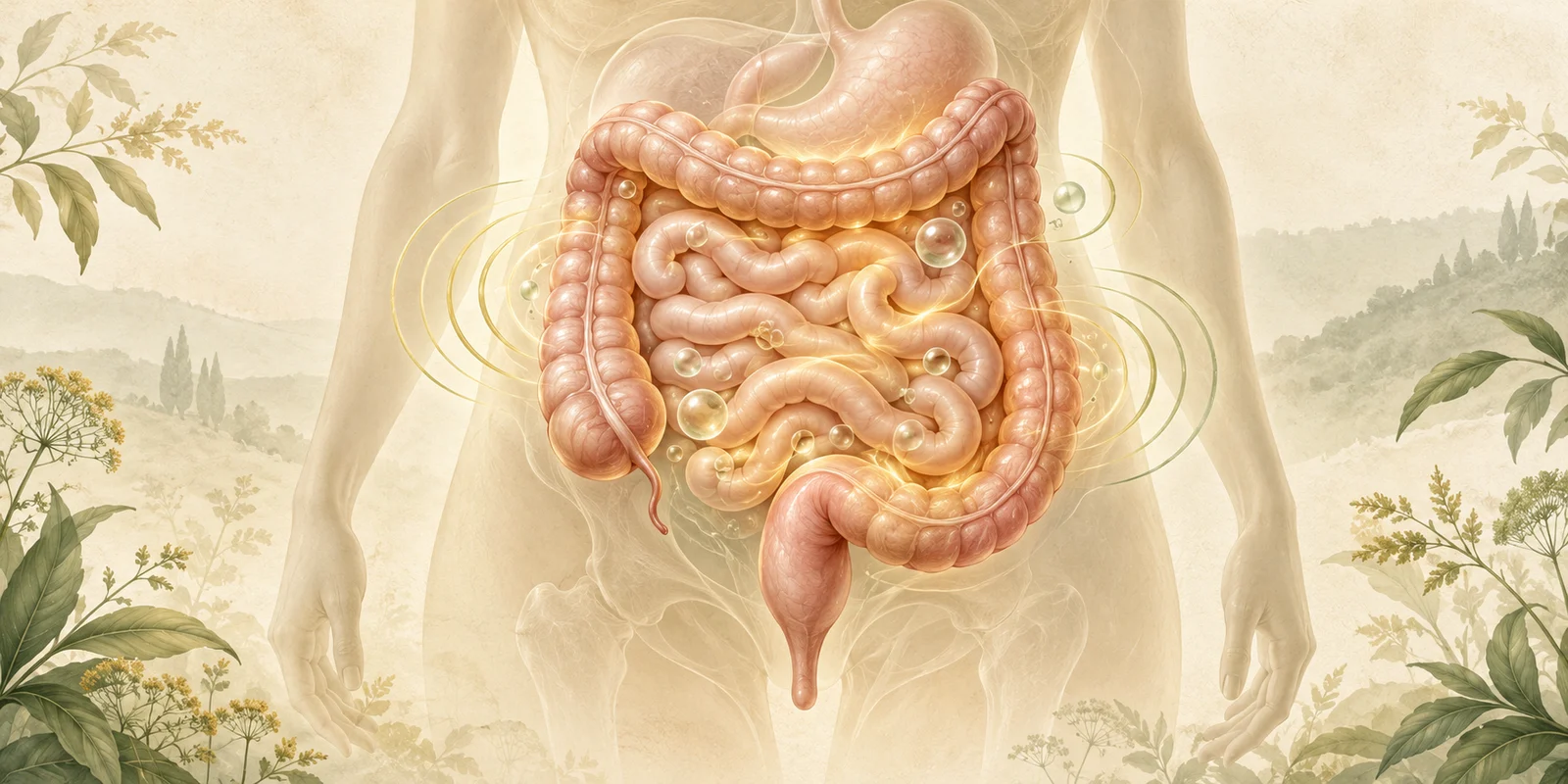
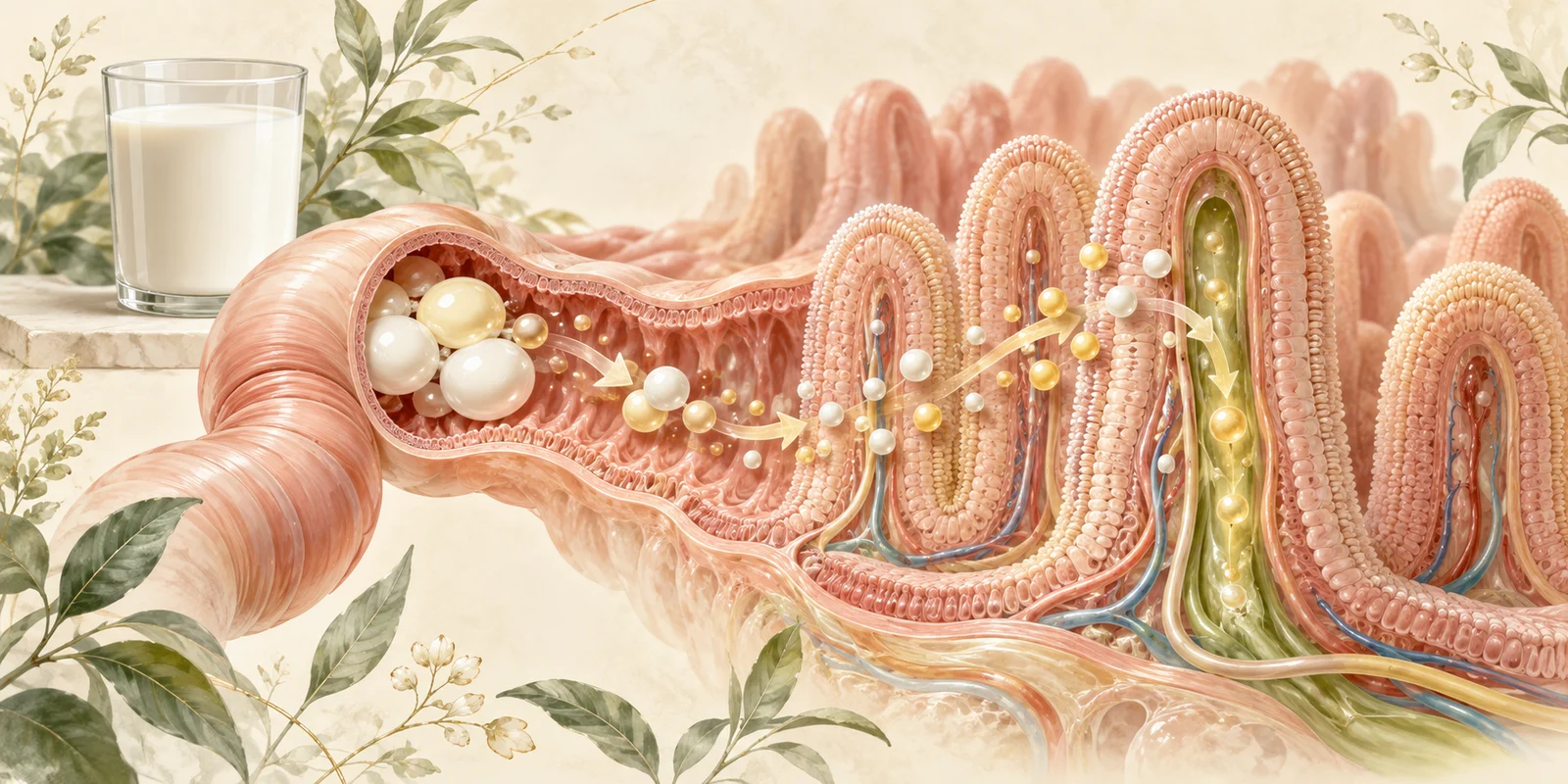
Lactose is a sugar naturally present in milk and many dairy products. The small intestine normally produces lactase, an enzyme that breaks it into smaller sugars for absorption. When lactase activity is low, some lactose passes into the colon undigested.
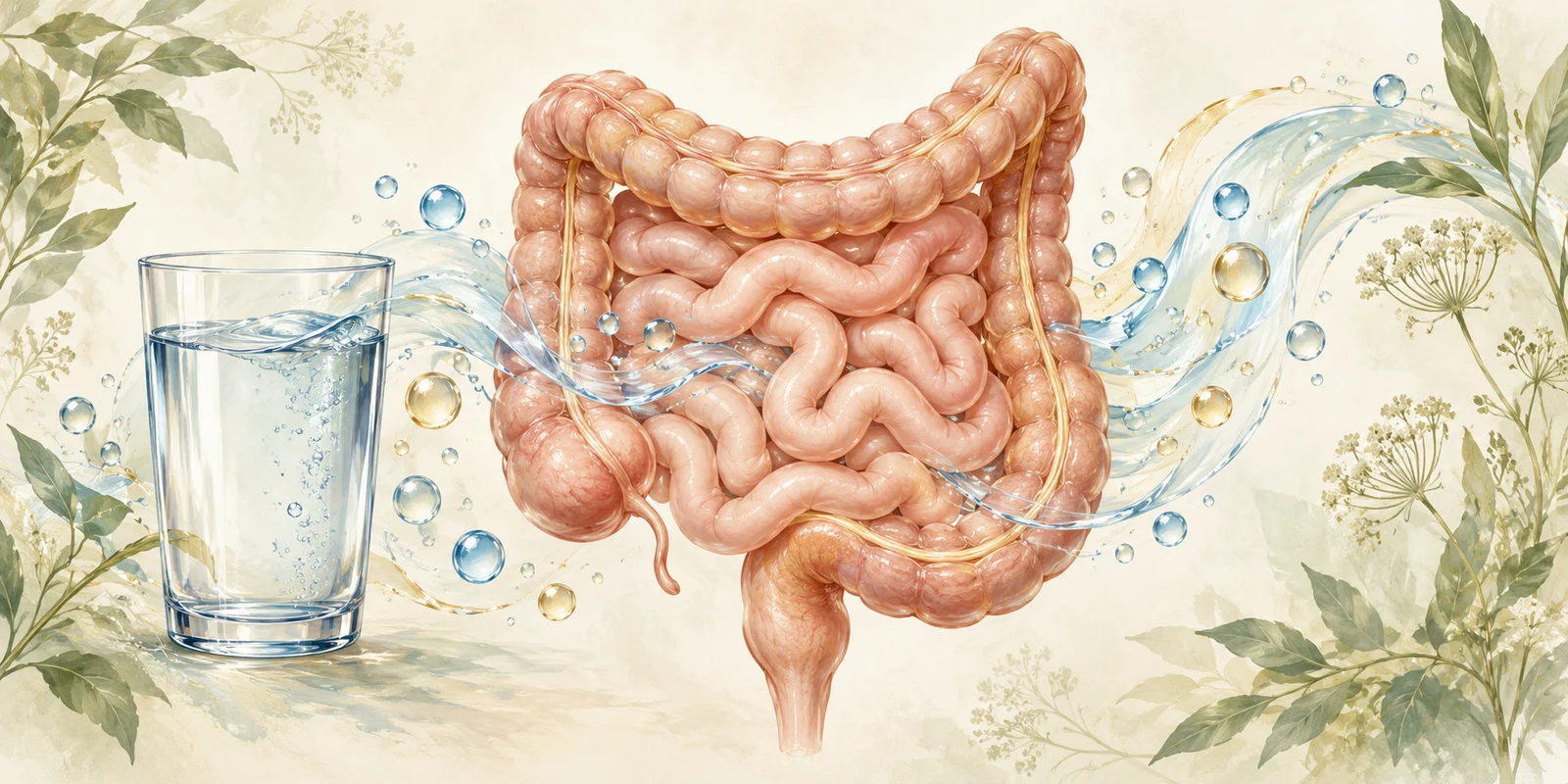
Bacteria then break down that lactose, producing gas and increasing fluid in the bowel. Lactose malabsorption describes the digestion problem; lactose intolerance means it produces symptoms. Not everyone with malabsorption feels unwell.
Symptoms and their timing
Bloating, cramps, gas, rumbling, nausea, and diarrhea may occur within a few hours of a lactose-containing meal or drink. The amount consumed and individual tolerance influence how noticeable symptoms are.
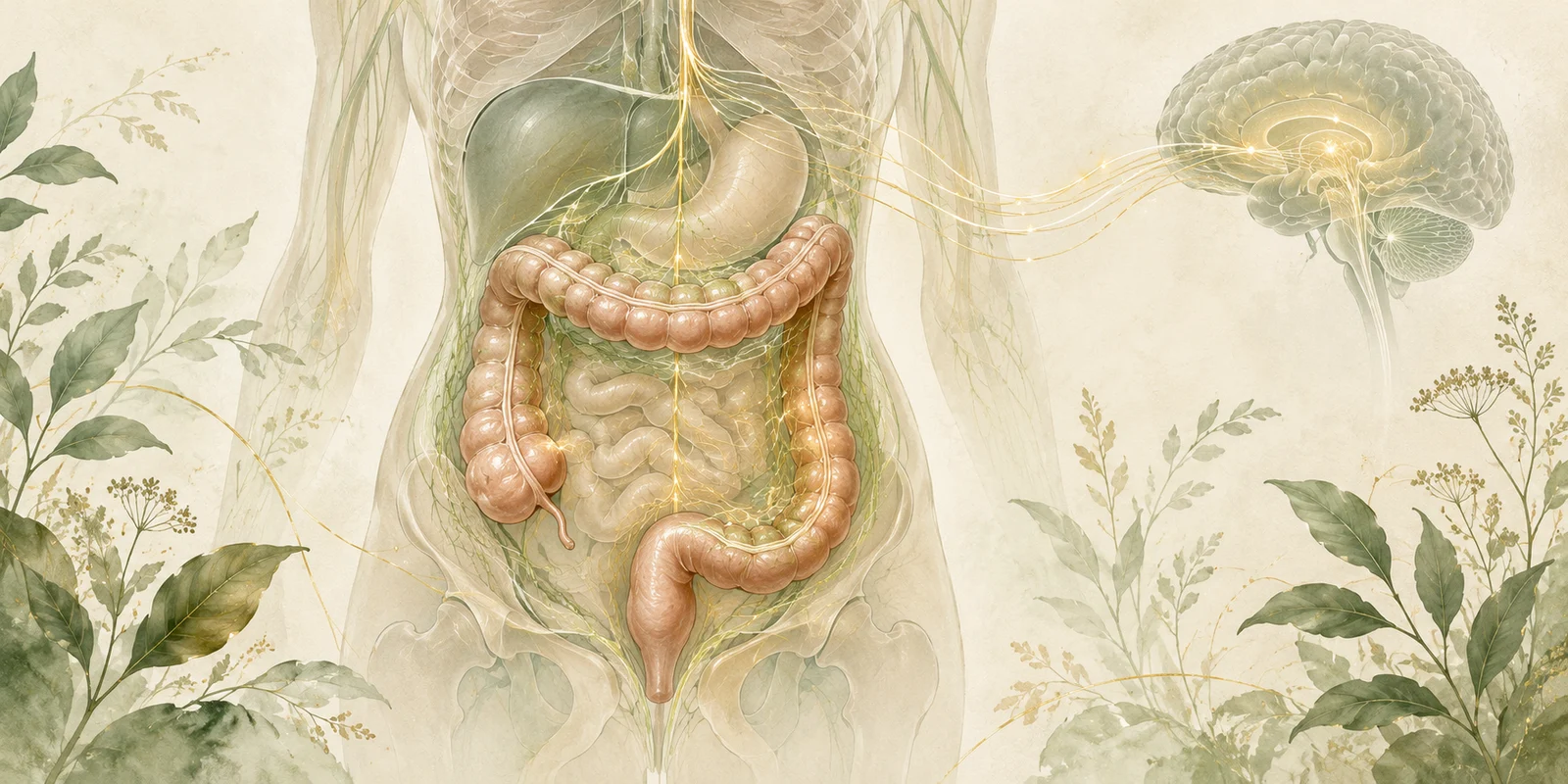
A repeated pattern is useful information, but symptoms after dairy do not prove lactose intolerance. IBS, other digestive conditions, or a milk allergy may require a different assessment. Keep a short record of the food, portion, timing, and symptoms.
Why lactase activity may be low
In many people, lactase production falls after early childhood; symptoms may become noticeable later. Lactase deficiency from birth is rare. Temporary or secondary intolerance can follow damage to the small intestine, for example after an infection or with celiac disease.
When an underlying intestinal problem is treated, tolerance may improve. There is no guaranteed way to prevent the common inherited pattern of lower lactase production, but symptoms can often be reduced through suitable food choices.
Assessment and the allergy distinction
A clinician may review the symptom pattern, suggest a structured dietary trial, or arrange a hydrogen breath test. The aim is to establish whether lactose contributes and whether another cause needs investigation.
Milk allergy is an immune reaction to milk proteins, not difficulty digesting milk sugar. It can cause hives, swelling, breathing difficulty, or other serious reactions. Lactose-free dairy still contains milk proteins and is not a safe substitute for someone with a milk allergy unless their clinician advises it.
Managing symptoms and treatment options
Many people can tolerate some lactose, especially in smaller amounts or with meals. Lactose-free dairy and certain lower-lactose foods may offer alternatives. A dietitian can help identify an adequate, flexible pattern rather than automatically removing all dairy.
Lactase tablets or drops may help selected people, but suitability should be discussed with a professional, particularly for children or during pregnancy. Treating a secondary intestinal cause is also important when one is present.
Protecting nutrition in everyday life
If reducing dairy, consider how you will obtain calcium, vitamin D, protein, and other nutrients. Fortified alternatives vary in their nutrient content, so check labels rather than assuming every plant-based drink is nutritionally equivalent.
Look for lactose in foods that trigger symptoms, but avoid unnecessary fear of trace amounts if you tolerate them. Seek guidance before restricting an infant's or child's diet, changing formula, or removing a major food group long term.

Common questions
Do I have to stop every dairy food?
Not necessarily. Tolerance varies by person, portion, and food. A structured approach can find what is comfortable while protecting nutrition.
Is lactose-free milk suitable for milk allergy?
No. Removing lactose does not remove milk proteins. Milk allergy needs its own professional assessment and avoidance plan.
Medical education sources
Sources accessed 28 October 2026. Illustrations are simplified educational concepts, not diagnostic images.