Brain
Conditions affecting the brain may influence movement, sensation, cognition, memory, language, vision, behaviour, balance, or consciousness.
Neuroleva Education
Explore clear, general information about conditions that can affect the brain, spinal cord, peripheral nerves, and related systems. This encyclopedia hub is educational and is separate from Neuroleva product information.
A broad clinical category
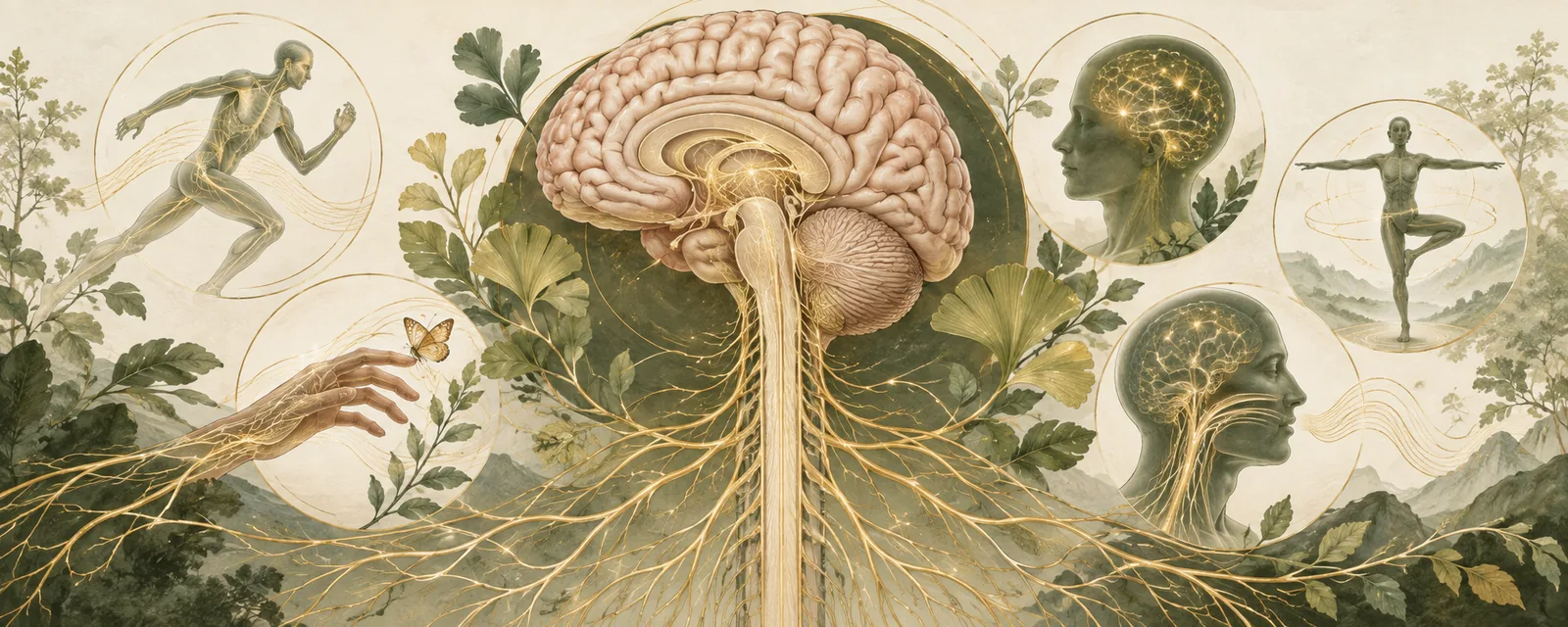
Neurological conditions are disorders that affect one or more parts of the nervous system. They vary widely in cause, symptoms, duration, severity, and the type of care a person may need.
Similar symptoms can arise from different conditions, and some neurological symptoms can also have non-neurological causes. A symptom list or online article cannot establish a diagnosis.
Different structures, different effects
Conditions affecting the brain may influence movement, sensation, cognition, memory, language, vision, behaviour, balance, or consciousness.
Spinal cord conditions may affect communication between the brain and body, including movement, sensation, and automatic functions.
Peripheral nerve conditions may cause sensory changes, pain, weakness, altered reflexes, or changes in automatic body functions.
Some conditions affect the communication between nerves and muscles or the muscles involved in movement and breathing.
Educational library
Explore medically sourced educational articles about common neurological conditions, their evaluation, and their management.
General information about neurological conditions, evaluation, management, and safety.
Current hubExplore a structured learning center covering ADHD symptoms, presentations, life stages, executive function, assessment, treatment, and daily life.
Learning centerA respectful overview of communication, interaction, sensory experience, development, assessment, and support.
Read articleLearn about motor and vocal tics, changing patterns, diagnosis, management, and stigma.
Read articleUnderstand concussion and TBI symptoms, urgent warning signs, assessment, recovery, and rehabilitation.
Read articleExplore movement and posture, clinical classifications, diagnosis, therapy, technology, and participation.
Read articleLearn how ALS affects motor neurons and how diagnosis, multidisciplinary care, and support may work.
Read articleAn educational overview of symptoms, brain changes, evaluation, treatment, and care.
Read articleAn educational overview of movement and non-movement features, evaluation, and management.
Read articleAn educational overview of this condition involving the central nervous system.
Read articleAn educational overview of seizures, epilepsy, evaluation, and safety.
Read articleAn educational overview of migraine symptoms, phases, triggers, evaluation, and treatment.
Read articleAn educational overview of conditions affecting peripheral nerves.
Read articleAn educational overview of stroke, warning signs, evaluation, and recovery.
Read articleProfessional assessment
Evaluation may include a medical history, review of symptoms and medicines, a neurological examination, and tests selected for the individual situation. Depending on the concern, healthcare professionals may use laboratory studies, imaging, electrical studies, cognitive assessment, lumbar puncture, or other specialised procedures.
Management depends on the diagnosis and the person. It may include monitoring, medicines, rehabilitation, surgery, devices, symptom management, psychological or social support, and coordinated care. Only a qualified healthcare professional can recommend an appropriate plan for an individual.
Professional & institutional sales
Neuroleva is available exclusively to eligible government institutions, specialized healthcare centers, and duly licensed centers.