What is H. pylori?
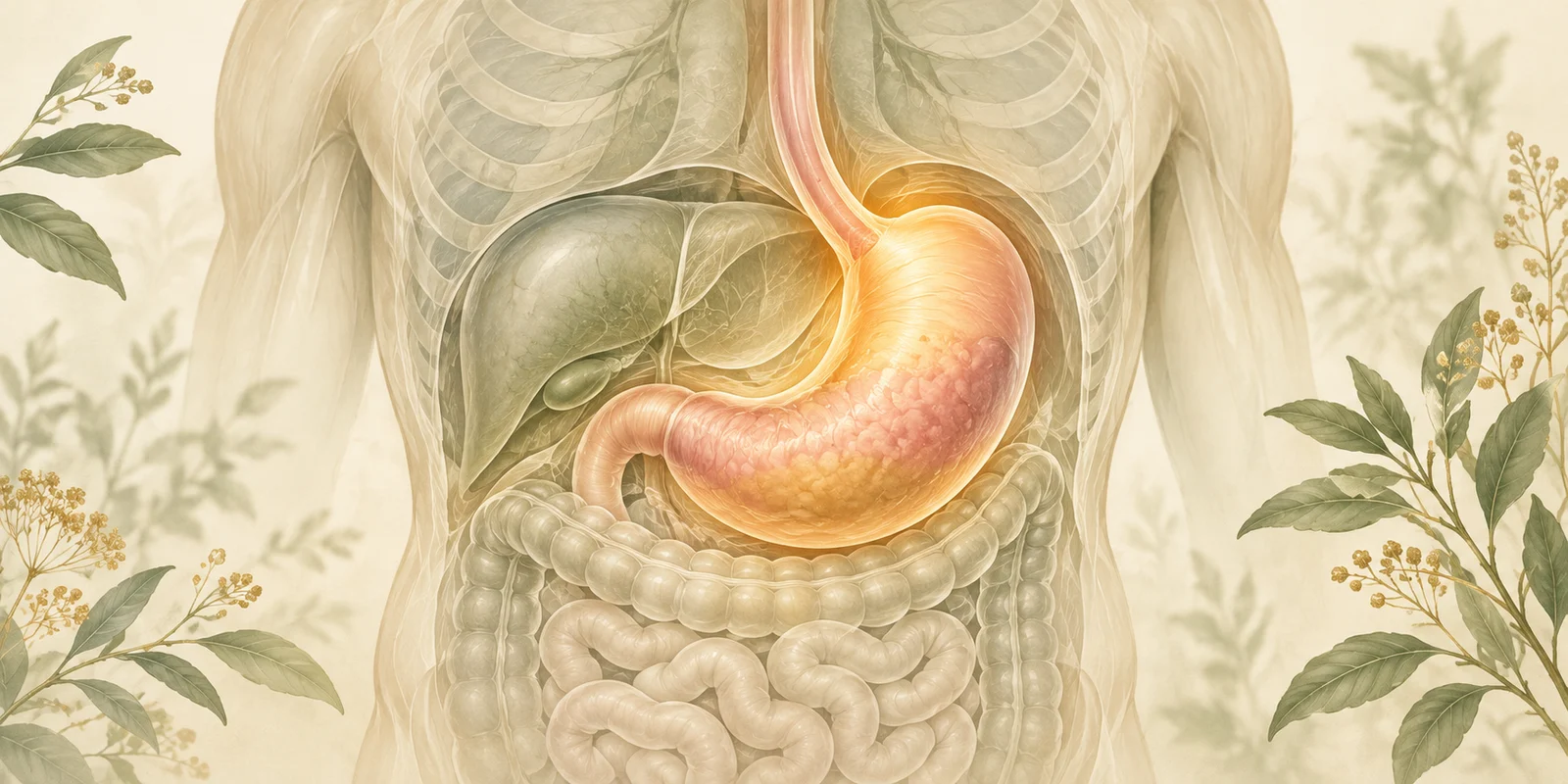
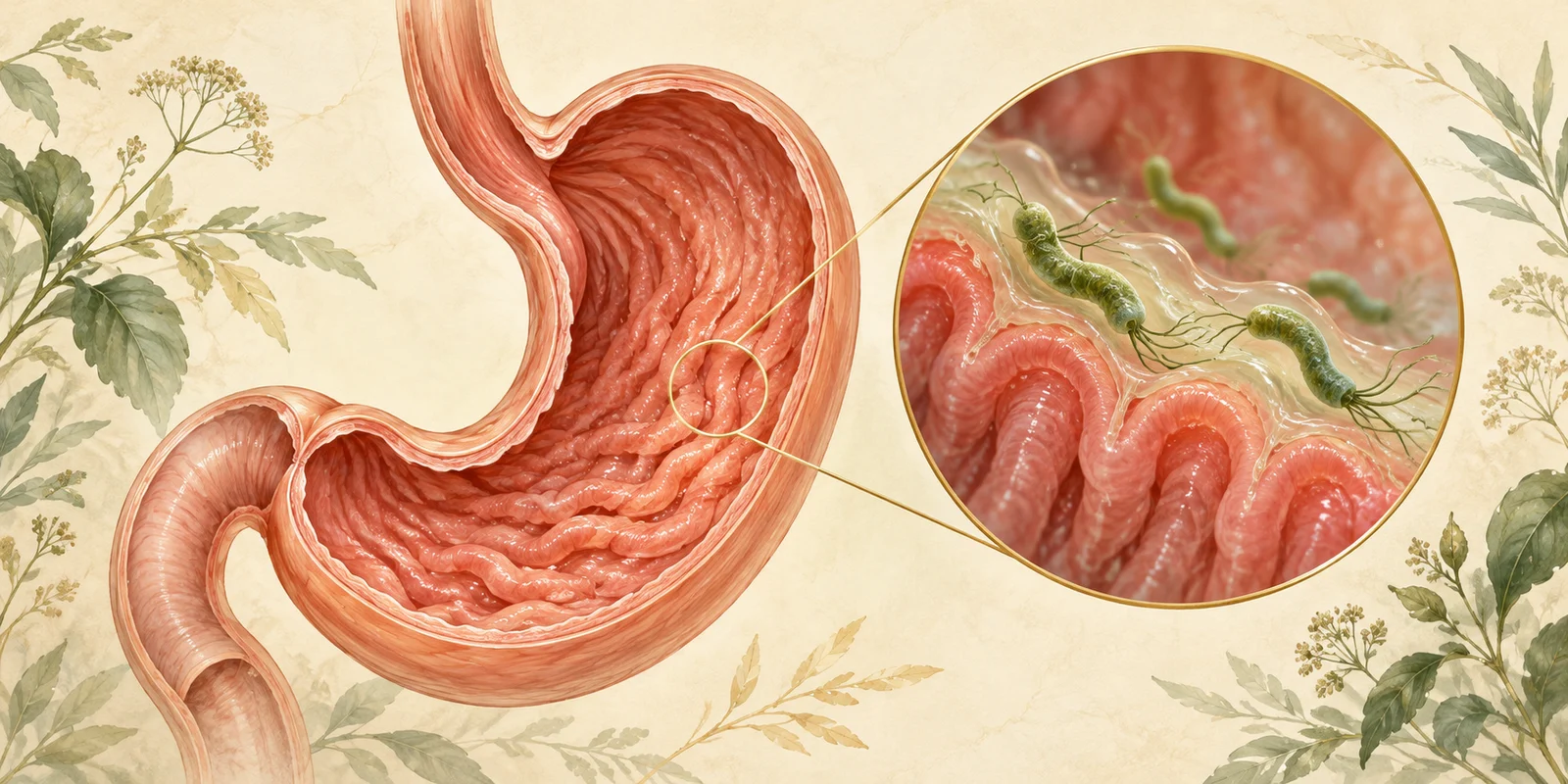
Helicobacter pylori is a bacterium adapted to living in the stomach. Many people with the infection do not notice symptoms. In some, it causes gastritis and contributes to peptic ulcers in the stomach or duodenum.
Long-standing infection can increase the risk of certain stomach cancers, but infection does not mean that a person has cancer or will inevitably develop it. Appropriate testing and treatment are more useful than assuming the worst from a symptom or an online image.
Symptoms do not confirm infection
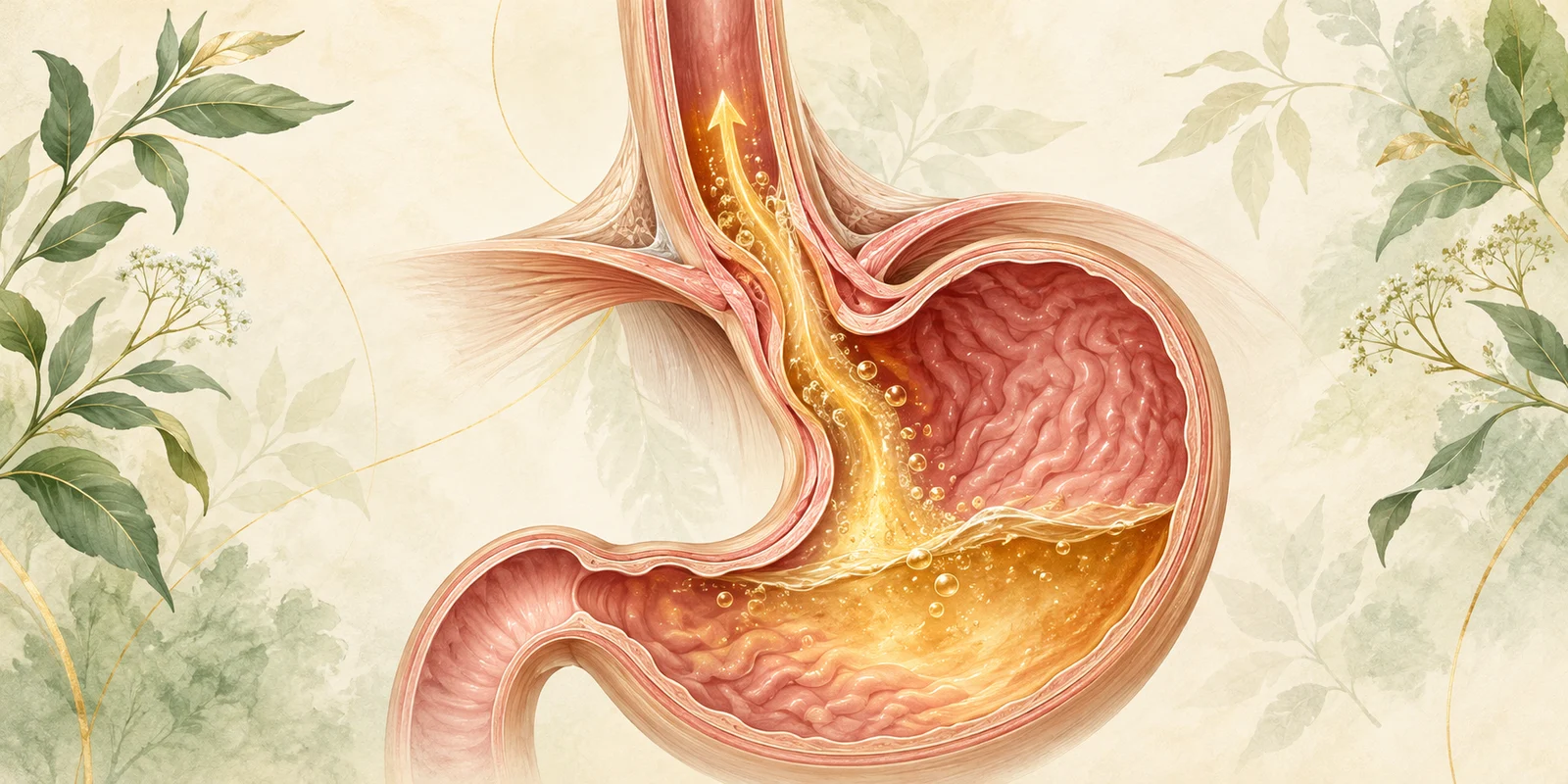
Upper abdominal discomfort, nausea, bloating, early fullness, or reduced appetite may occur, particularly when an ulcer is present. These symptoms overlap with functional dyspepsia, reflux, and other conditions.
Some infected people have no discomfort, and many people with stomach pain do not have H. pylori. Bleeding from an ulcer may cause black tarry stool, vomiting blood, tiredness, or faintness and needs urgent attention.
Transmission and everyday prevention
Infection is often acquired earlier in life and may spread between people or through contaminated food or water. Living conditions and household exposure can influence risk. It is not simply a consequence of spicy food or personal stress.
Hand hygiene, safe drinking water, and safe food handling are sensible measures. They cannot guarantee prevention. If someone in the household is infected, discuss whether testing is appropriate rather than taking antibiotics or treating everyone without assessment.
Tests for current infection
Urea breath testing and stool antigen testing can detect active infection. If endoscopy is needed for other reasons, a sample from the stomach lining may also be tested. Blood antibodies can remain positive after an old infection and are not suitable for confirming eradication.
Acid-suppressing medicines, antibiotics, and bismuth can affect test accuracy. Tell the clinician about all medicines and follow their preparation instructions. Do not stop a prescribed treatment on your own just to arrange a test.

Treatment requires a prescribed combination
Treatment generally combines acid suppression with more than one antimicrobial medicine; some regimens include bismuth. Selection depends on local resistance, allergies, previous antibiotic exposure, and earlier treatment attempts. A regimen appropriate in one setting may not be suitable elsewhere.
Complete the prescribed course and contact the treating team if side effects make this difficult. Reusing leftover antibiotics or repeating a failed combination without review can reduce the chance of success. Food, herbs, and supplements are not established substitutes for eradication treatment.
Why testing after treatment matters
Improved symptoms do not prove that the bacterium has gone. Current ACG guidance calls for a test of cure after treatment, usually with a breath or stool test, or biopsy when appropriate.
Testing is generally performed at least four weeks after antibiotics are completed, with acid-suppressing medicines adjusted beforehand under clinical guidance. The exact preparation matters for accuracy. Persistent symptoms after eradication may have another cause and deserve review rather than automatic repeat antibiotics.
Common questions
Does feeling better mean the infection is cured?
No. Symptom relief and eradication are different outcomes. Follow-up testing is used to confirm that treatment worked.
Can a positive blood test show treatment failed?
Not reliably. Antibodies can remain after the infection has cleared. A clinician selects a test that assesses active infection and gives preparation instructions.
Medical education sources
- American College of Gastroenterology — H. pylori
- ACG — 2024 H. pylori treatment guideline summary
- NIDDK — Peptic ulcers
Sources accessed 28 October 2026. Illustrations are simplified educational concepts, not diagnostic images.