Neurological Conditions
Amyotrophic Lateral Sclerosis (ALS)
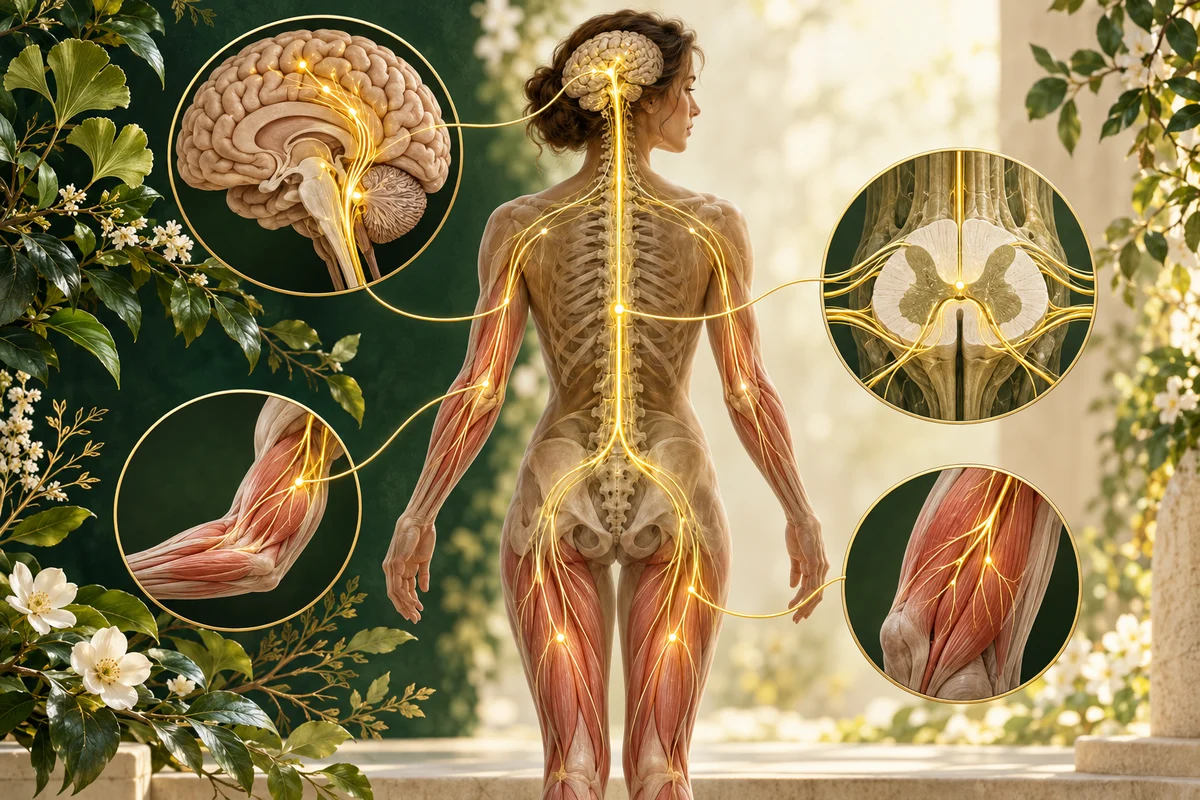
Amyotrophic lateral sclerosis is a progressive neurodegenerative disease affecting motor neurons—the nerve cells that control voluntary muscle movement. Symptoms and rate of progression vary between people.

Motor neurons
How ALS affects movement
As motor neurons degenerate, muscles receive fewer signals and become weak. Onset may begin in a limb or in muscles involved in speech and swallowing. ALS can eventually affect mobility, communication, swallowing, and breathing.
- progressive muscle weakness
- muscle cramps, twitching, stiffness, or wasting
- speech or swallowing difficulty in bulbar-onset disease
- breathing-muscle involvement as disease progresses
- sensation is generally not the primary system affected
Specialist evaluation
Diagnosis
There is no single definitive test for ALS. Neurologists use history, repeated neurological examination, electromyography and nerve-conduction studies, imaging, laboratory tests, and sometimes genetic testing to support diagnosis and exclude other conditions.
Management and support
Multidisciplinary care
Treatment may include disease-modifying medicines for eligible people and coordinated management of mobility, cramps, stiffness, saliva, nutrition, communication, breathing, sleep, mood, and caregiver needs. Physical, occupational, speech-language, respiratory, nutrition, psychological, palliative, and assistive-technology specialists may contribute.
Communication devices, mobility equipment, nutritional support, and non-invasive ventilation can support independence, comfort, and participation. Care planning should follow the person’s goals and preferences.
Careful communication
Research and prognosis
ALS is progressive and life-limiting, but individual course varies. Prognosis should be discussed with an ALS specialist who understands the person’s pattern, health, treatment options, and priorities. Research continues into disease mechanisms, biomarkers, genetics, and new therapies.
Authoritative references
Medical education sources
Professional & institutional sales
Order enquiries
Neuroleva is available exclusively to eligible government institutions, specialized healthcare centers, and duly licensed centers.