
Neurological Conditions
Epilepsy: Understanding Seizures and Brain Electrical Activity
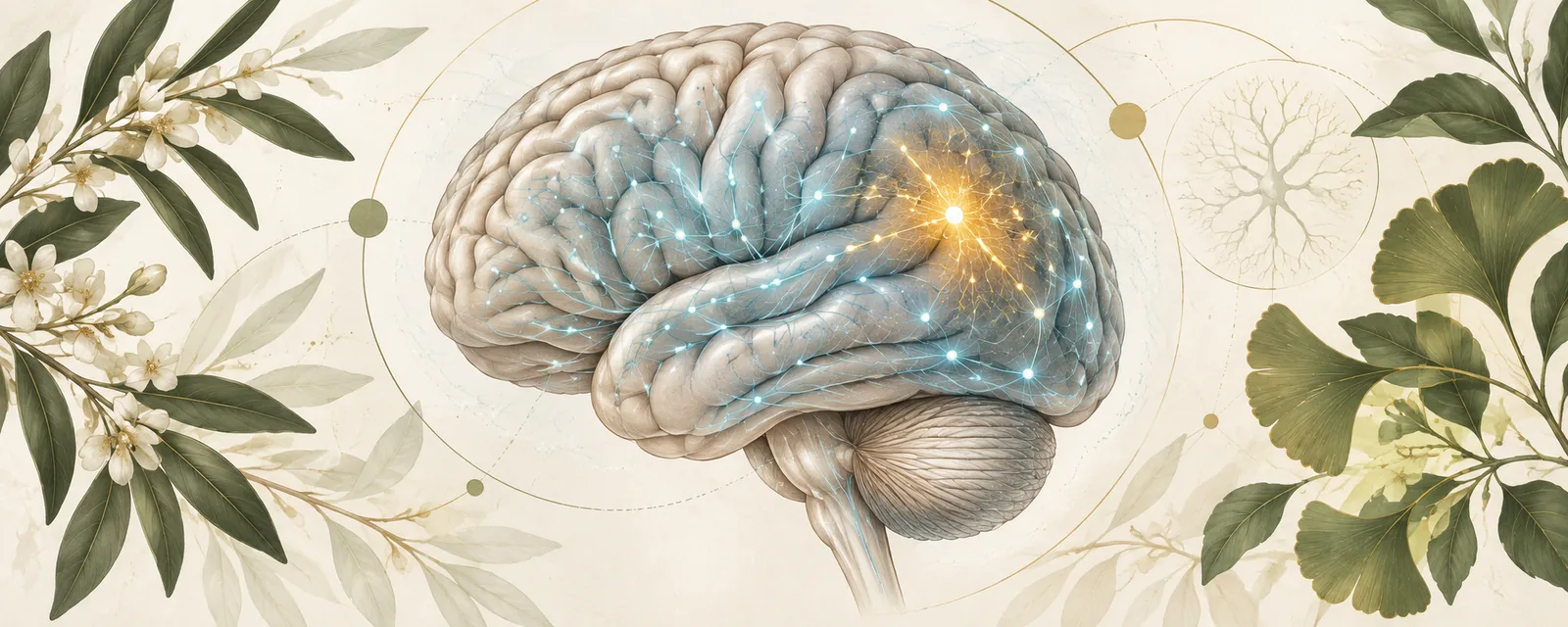
Epilepsy is a chronic brain disorder characterized by recurring seizures. Seizures occur when groups of neurons produce abnormal bursts of electrical activity. This can temporarily affect movement, awareness, sensation, emotion, or behavior. A single seizure does not necessarily mean that a person has epilepsy.
Brain signaling
What happens during a seizure?
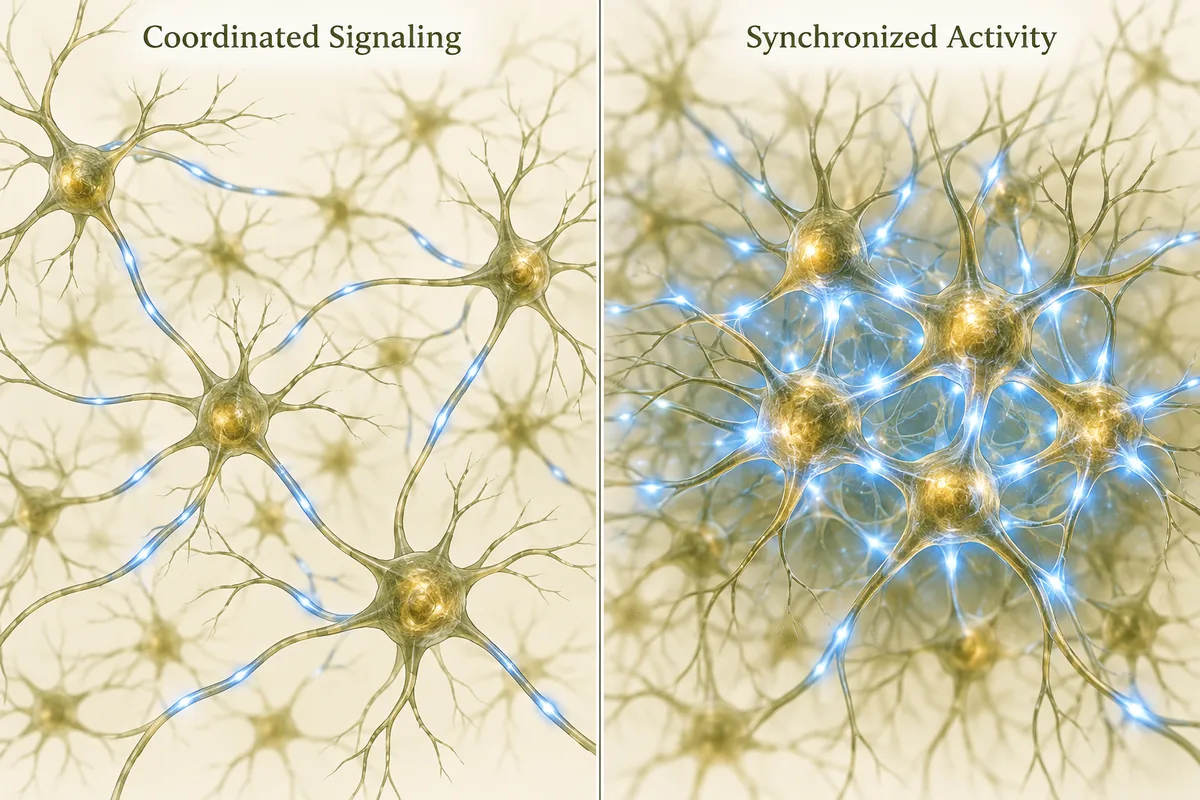
Neurons normally communicate using electrical and chemical signals.
During some seizures, groups of neurons begin signaling excessively or abnormally.
Depending on where the activity occurs, a seizure may cause unusual sensations, staring or loss of awareness, involuntary movements, muscle stiffening or jerking, emotional or behavioral changes, or temporary confusion after the event.
Patterns of activity
Different seizure types
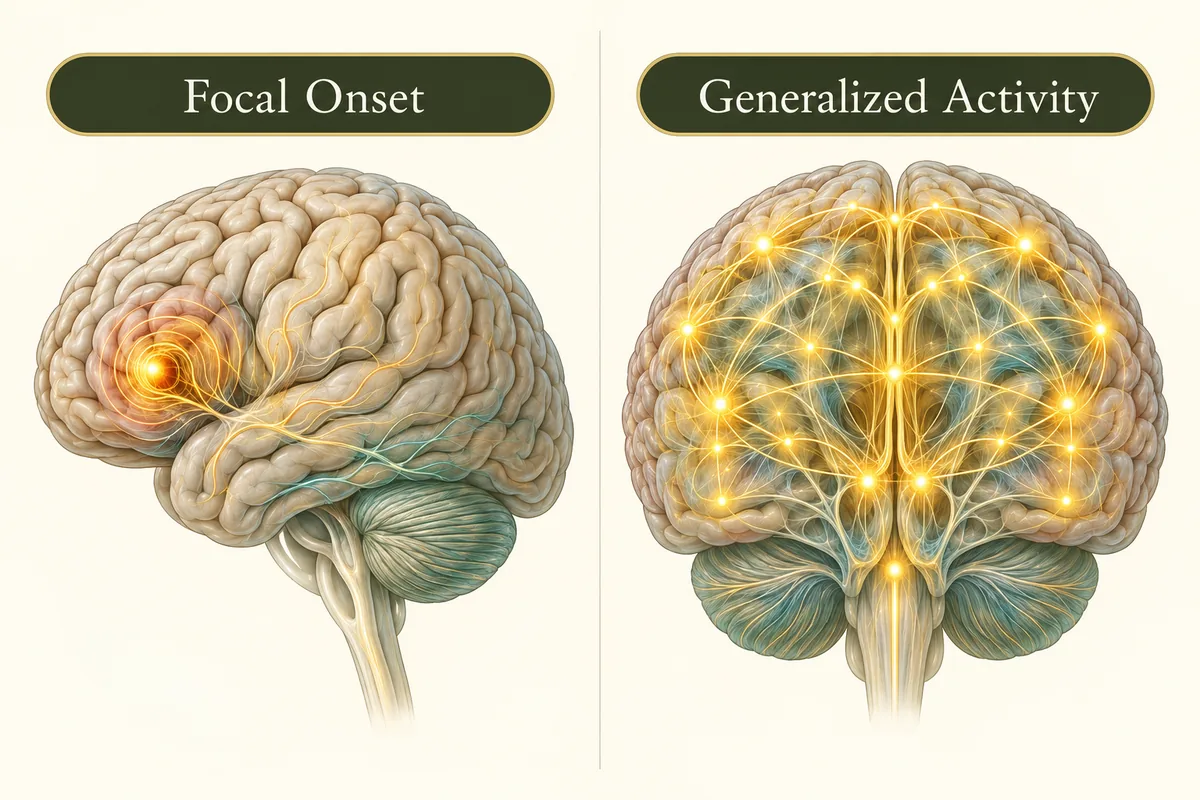
Seizures do not all look the same. Two broad categories include:
Focal seizures
Begin in one area of the brain. Symptoms depend on the affected brain region and may involve movement, sensation, awareness, memory, or emotion.
Generalized seizures
Involve networks on both sides of the brain. Some can cause loss of consciousness, stiffening, rhythmic jerking, or brief lapses of awareness.
Many possible origins
Causes and risk factors
Epilepsy has many possible causes. They may include genetic factors, brain injury, abnormal brain development, stroke, infections, brain tumors, or other neurological conditions.
In many people, the cause remains unknown.
Clinical assessment
How epilepsy is diagnosed
Evaluation can involve:
- description of the event
- medical and family history
- neurological examination
- EEG to measure electrical brain activity
- brain imaging such as MRI
- blood or other testing when appropriate
Because many events can resemble seizures, professional evaluation is important.
Individualized care
Treatment and management
Treatment commonly includes antiseizure medicines.
When medications do not adequately control seizures, selected patients may be evaluated for surgery, implanted neurostimulation devices, specialized dietary therapies, or other individualized treatments.
Medication should never be stopped or changed without medical guidance.
Everyday management
Living with epilepsy
Everyday management can include taking medicines as prescribed, maintaining regular sleep, learning personal seizure triggers when identifiable, avoiding missed medication doses, creating a seizure safety plan, and educating family, school, or coworkers when appropriate.
Activities and safety recommendations vary depending on seizure type and level of control.
References