
Neurological Conditions
Alzheimer’s Disease: Symptoms, Brain Changes, Diagnosis, and Care
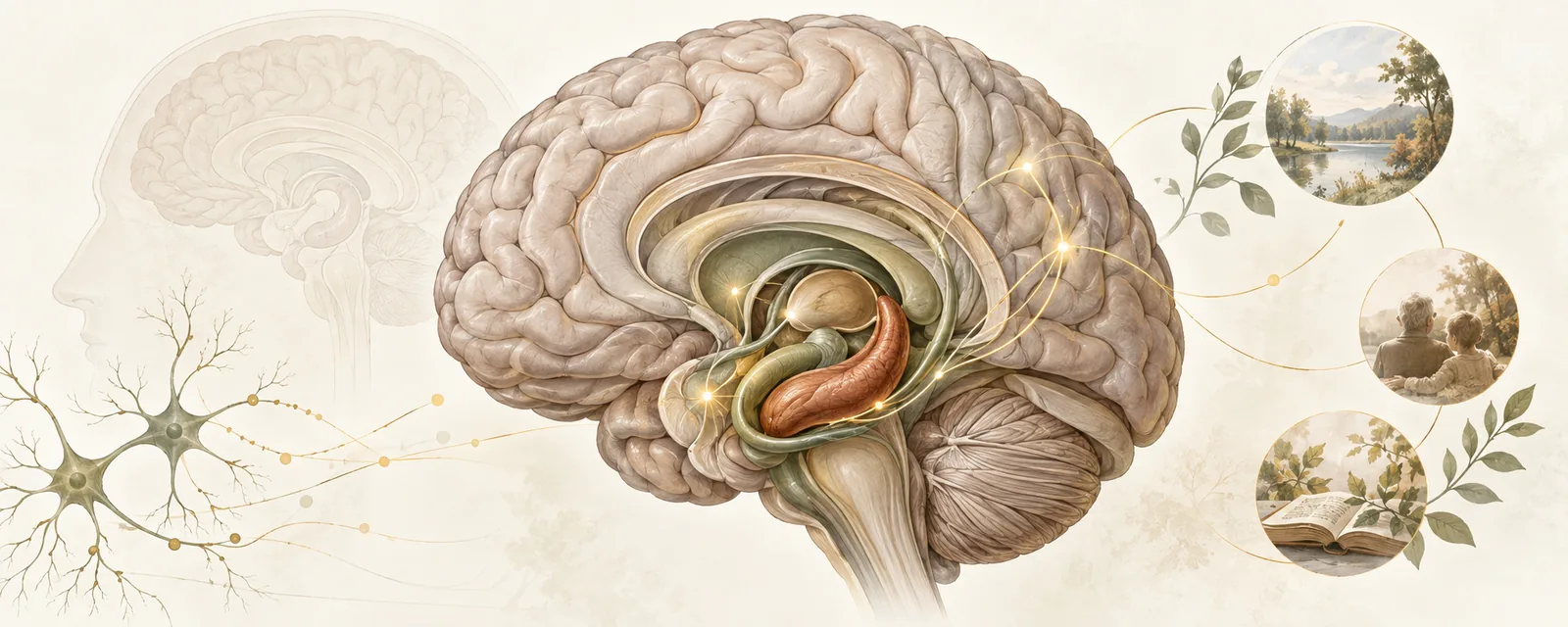
Alzheimer’s disease is a progressive brain disorder that gradually affects memory, thinking, reasoning, behavior, and the ability to carry out everyday activities. It is the most common cause of dementia among older adults.
Overview
What is Alzheimer’s disease?
Alzheimer’s disease is a progressive brain disorder that gradually affects memory, thinking, reasoning, behavior, and the ability to carry out everyday activities. It is the most common cause of dementia among older adults.
Dementia is an umbrella term describing loss of cognitive and behavioral abilities severe enough to interfere with daily life. Alzheimer’s is one cause of dementia, but it is not the only one.
Brain changes
What happens in the brain?
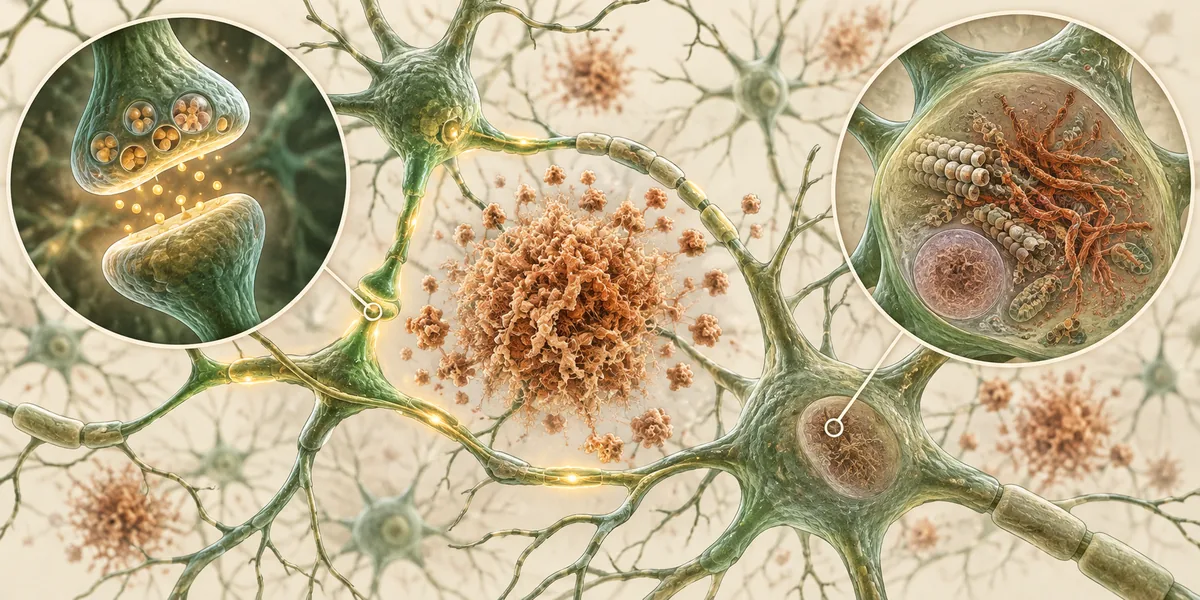
Alzheimer’s involves complex changes in the brain. Two well-known features are abnormal accumulations of amyloid proteins and tau proteins. The disease is also associated with loss of connections between neurons and eventual neuron death.
Early damage often affects brain regions involved in forming memories, including the hippocampus and entorhinal cortex. As the disease progresses, additional brain regions can become involved.
Possible changes
Common signs and symptoms
- memory problems
- repeated questions
- difficulty finding words
- trouble with reasoning or judgment
- visual-spatial difficulties
- getting lost in familiar places
- difficulty managing bills or everyday tasks
- changes in behavior or personality
Current understanding
Causes and risk factors
Scientists do not yet fully understand what causes Alzheimer’s in most people. Risk is thought to involve a combination of age-related brain changes, genetics, health factors, environment, and lifestyle. Age is the most important known risk factor, but Alzheimer’s is not considered a normal part of aging.
Clinical assessment
How healthcare professionals evaluate Alzheimer’s
- medical and medication history
- discussion with person and family members
- cognitive testing
- neurological and physical examination
- laboratory testing
- brain imaging
- evaluation for other causes
- selected biomarker testing

Individualized care
Treatment and management
There is currently no cure for Alzheimer’s disease. Treatment may include medications that target disease processes in certain patients, medications that temporarily improve or stabilize some cognitive symptoms, and approaches addressing behavioral, psychological, safety, and daily-living concerns.
Treatment decisions should be individualized with qualified healthcare professionals.
Ongoing support
Living with Alzheimer’s
Support may involve medical care, caregiver support, environmental adaptations, safety planning, social engagement, legal and financial planning, and services helping maintain quality of life and independence for as long as possible.
Professional guidance
When to seek medical attention
Persistent memory or thinking changes interfering with everyday life should be assessed. Sudden confusion or abrupt neurological change may require urgent evaluation.